

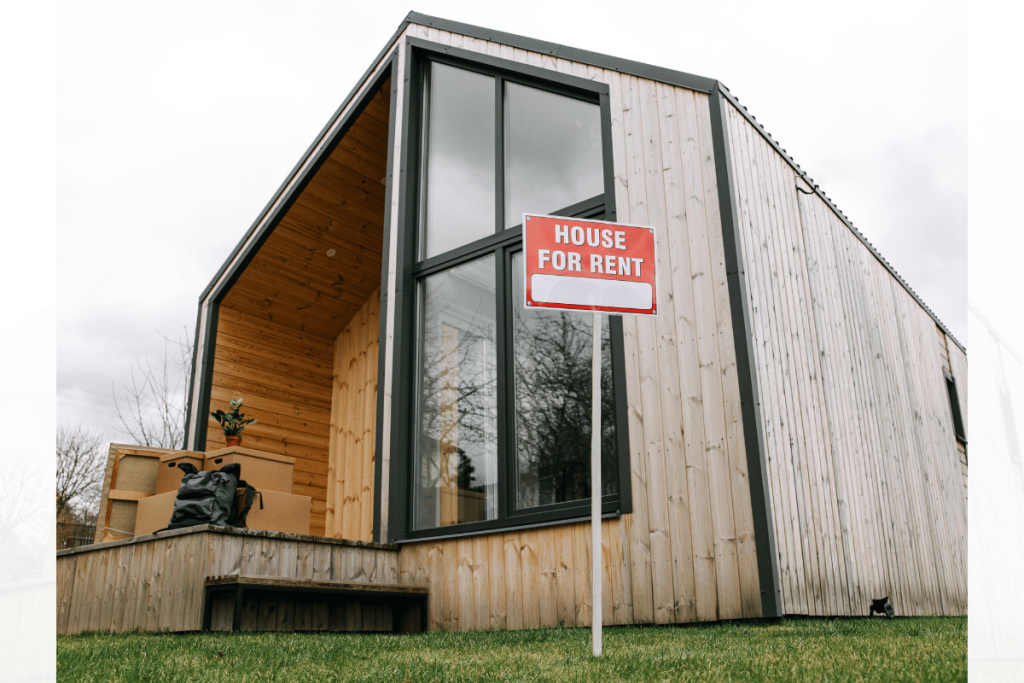
Renovations can improve comfort, safety, and long term value, but many Ontario homeowners still ask an important question before starting work. If I renovate a rental property, how much can rent legally increase?
For landlords in Kitchener, Waterloo, and Cambridge, the answer is not as simple as adding renovation costs to the rent. Ontario has clear rules designed to protect tenants, and understanding them early can help homeowners plan smarter renovations and avoid costly mistakes.
Understanding Ontario Rent Increase Rules
In most cases, rent increases in Ontario are limited by an annual guideline set by the province. This applies even after renovations. Cosmetic upgrades like new flooring, cabinets, or fresh paint usually do not allow a landlord to raise rent beyond the guideline.

There are exceptions, but they are tightly regulated. Significant work that improves the building’s structure, safety, or major systems may qualify for an Above Guideline Increase. These increases are not automatic. They must be approved by the Landlord and Tenant Board, and tenants must receive proper notice.
For homeowners planning renovations, this means the type of work matters just as much as the cost.
What Types of Renovations May Qualify
Renovations that may support an Above Guideline Increase usually involve major capital improvements. Examples include replacing plumbing systems, upgrading electrical wiring, installing new roofs, or improving fire safety features.

Renovating a basement to meet legal rental standards can also fall into this category if it includes structural changes and safety upgrades. This is where working with a Legal basement builder becomes important. Proper permits, inspections, and documentation are essential if you want your renovation recognized under provincial rules.
Common Mistakes Landlords Make
One common mistake is assuming that all renovations justify higher rent. Tenants can challenge rent increases that do not meet legal requirements, which can lead to delays and financial losses.
Another issue is poor planning. Some homeowners renovate without understanding approval timelines or required notices. Others hire contractors without local experience, leading to work that does not meet code or board standards.
Choosing the wrong contractor can turn a smart renovation into a compliance problem. Homeowners should look for a Contractor for remodelling who understands Ontario building codes and local permit processes in Kitchener, Waterloo, and Cambridge.
Planning Renovations with Rent Rules in Mind
Before starting any renovation, homeowners should clarify their goals. Are you improving livability, long term value, or rental income stability? Not every renovation needs to justify a rent increase to be worthwhile.
Budgeting realistically is key. Since many renovations will not allow immediate rent adjustments, focus on durable materials, energy efficiency, and long term maintenance savings.
Documentation also matters. Keep records of permits, invoices, and inspections. If you ever apply for an Above Guideline Increase, these details support your case.
What Homeowners Should Look for in a Contractor
A reliable contractor will help you plan renovations that meet code, stay on budget, and align with your long term property goals. They should be familiar with local bylaws, inspection requirements, and renovation best practices in South West Ontario.

Clear communication is essential. A good contractor explains what is achievable, what is required by law, and what is unlikely to impact rent approval. This kind of guidance helps homeowners make confident decisions instead of expensive guesses.
Making Smart Renovation Decisions
Renovating a rental property is about more than higher rent. It is about safety, durability, and future value. For homeowners in Kitchener, Waterloo, and Cambridge, understanding rent increase limits early helps avoid frustration and protects both landlord and tenant relationships.
With the right planning and the right professionals, renovations can be a smart investment even without immediate rent increases.