

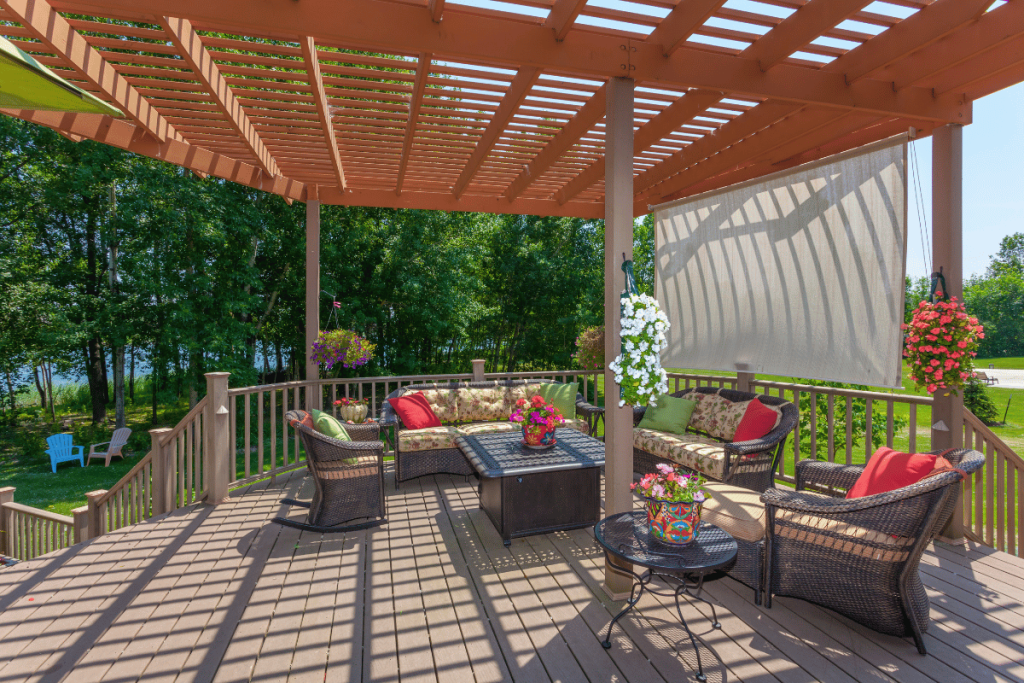
Building steps for a deck is an important part of creating a safe and functional outdoor space. For homeowners in Kitchener, Waterloo, and Cambridge, proper deck steps are especially important due to seasonal weather changes that can impact durability and safety.
Whether you are upgrading your backyard or finishing a new deck, understanding the right approach will help you build steps that last for years.
Planning Your Deck Steps
Before starting construction, take time to plan the layout and dimensions. Deck steps should be comfortable to use and meet Ontario building standards.
Key considerations include:
- Total height from deck to ground
- Number of steps required
- Width of the staircase
- Location for easy access
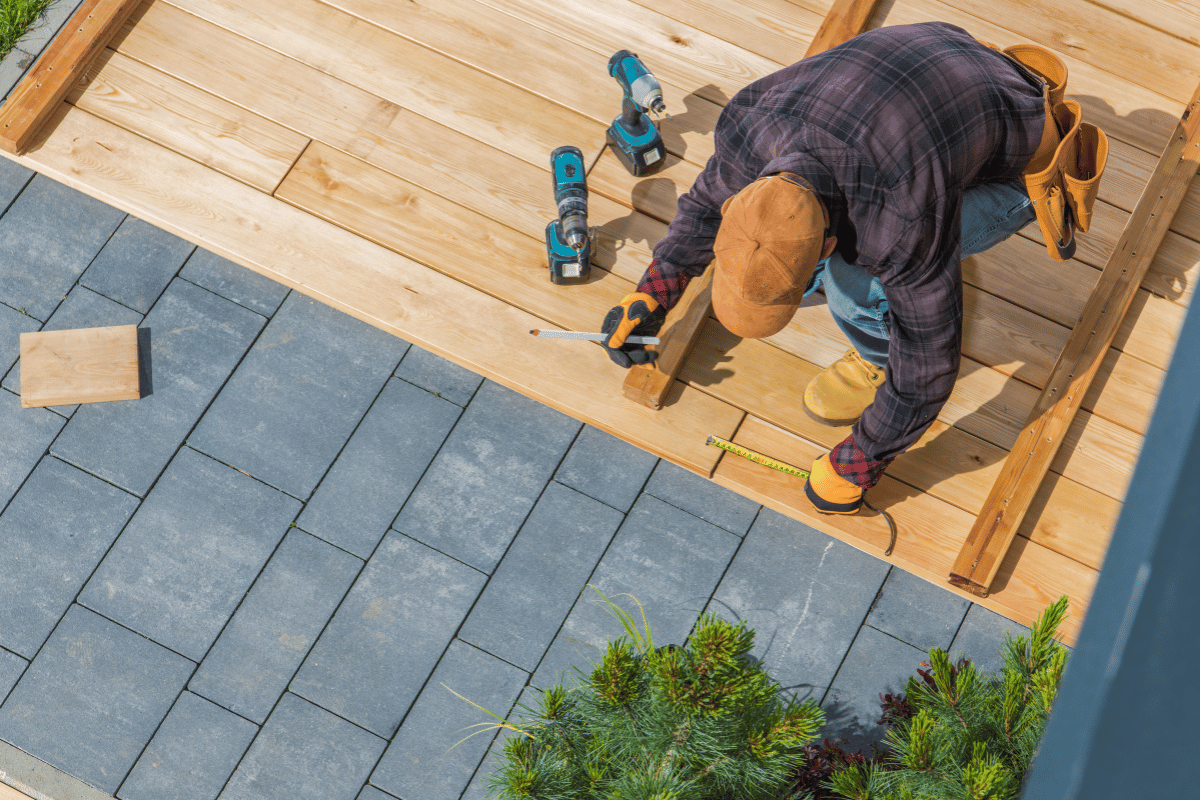
Most local guidelines recommend a consistent rise and run for each step. This ensures safety and prevents tripping hazards.
Choosing the Right Materials
Material selection plays a major role in how your deck steps perform over time. In South West Ontario, weather resistance is essential due to snow, rain, and temperature changes.
Common options include:
- Pressure-treated wood for affordability and durability
- Composite materials for low maintenance
- Concrete for long-term strength
If your project is part of a larger outdoor upgrade, working with a Contractor for remodelling can help you choose materials that match your deck and home design.
Measuring and Calculating Step Dimensions
Accurate measurements are critical. Start by calculating the total rise, which is the height from the ground to the deck surface.
Divide this height by the desired rise per step to determine how many steps you need. Then calculate the run, which is the depth of each step.
Consistency is key. Uneven steps can lead to safety issues, especially during icy conditions in winter.
Building the Stringers
Stringers are the structural supports that hold the steps in place. They are usually cut from treated lumber and must be measured carefully.
Steps to follow:
- Mark the rise and run on the lumber
- Cut the stringers using a circular saw
- Attach the stringers securely to the deck frame
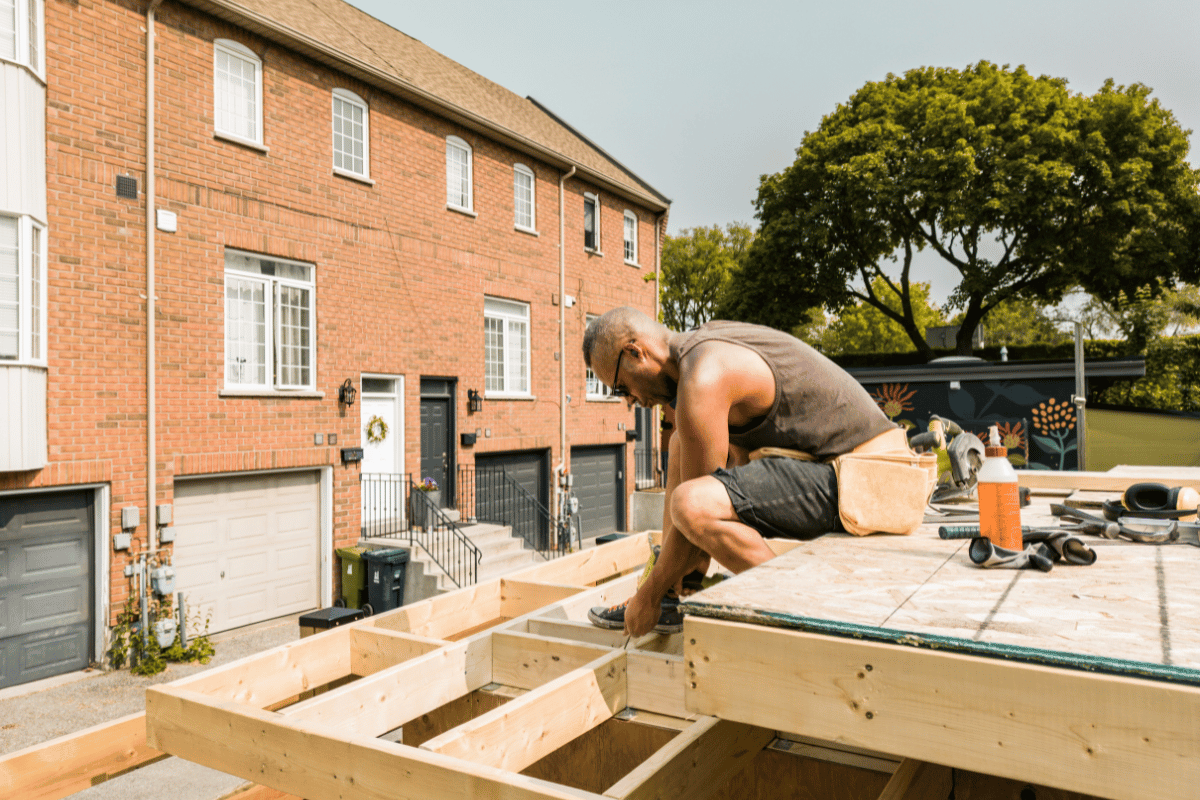
Ensure the stringers are level and properly spaced to support weight evenly.
Installing Treads and Risers
Once the stringers are in place, install the treads and risers.
- Treads are the horizontal parts where you step
- Risers are the vertical sections between each tread
Use weather-resistant screws or fasteners to secure each piece. Leave slight gaps between boards to allow for drainage, which is important in Canadian climates.
Safety Features to Include
Deck steps should not only look good but also provide safe access. Consider adding:
- Handrails for support
- Non-slip surfaces
- Proper lighting for visibility at night
These features are especially useful during winter when surfaces can become slippery.
Permits and Local Regulations
Depending on the height and design, deck steps in Kitchener, Waterloo, and Cambridge may require permits. It is always best to check local regulations before starting.
Working with a Certified contractor in local area ensures your project meets all building codes and avoids potential issues during inspections.
Maintaining Your Deck Steps
Regular maintenance helps extend the life of your deck steps. Inspect them for signs of wear, loose boards, or moisture damage.
Simple steps include:
- Cleaning debris and dirt
- Sealing wood surfaces
- Tightening fasteners when needed
Proper care will keep your steps safe and visually appealing throughout the year.
Building deck steps is a practical project that improves both safety and accessibility. With careful planning, accurate measurements, and the right materials, homeowners in South West Ontario can create durable steps suited to local weather conditions.
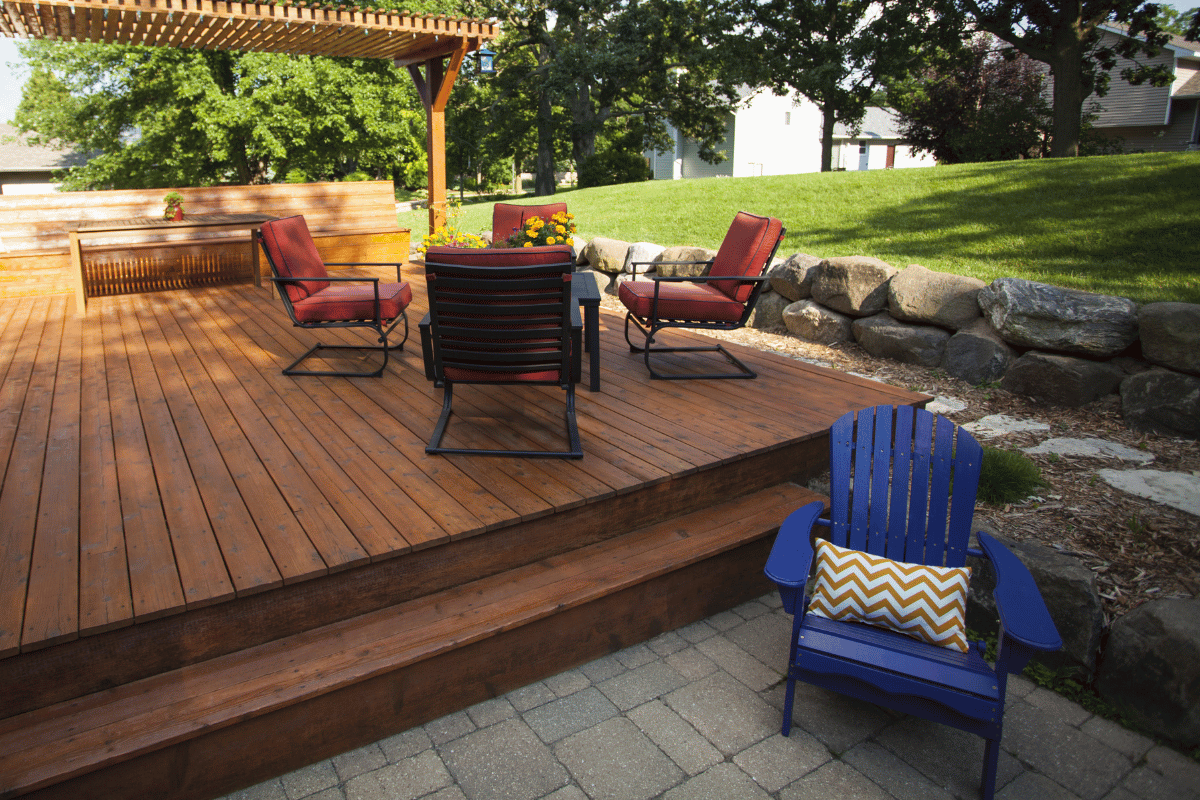
For more complex projects or complete outdoor upgrades, working with Aahrenos ensures professional results and long-term value for your home.