

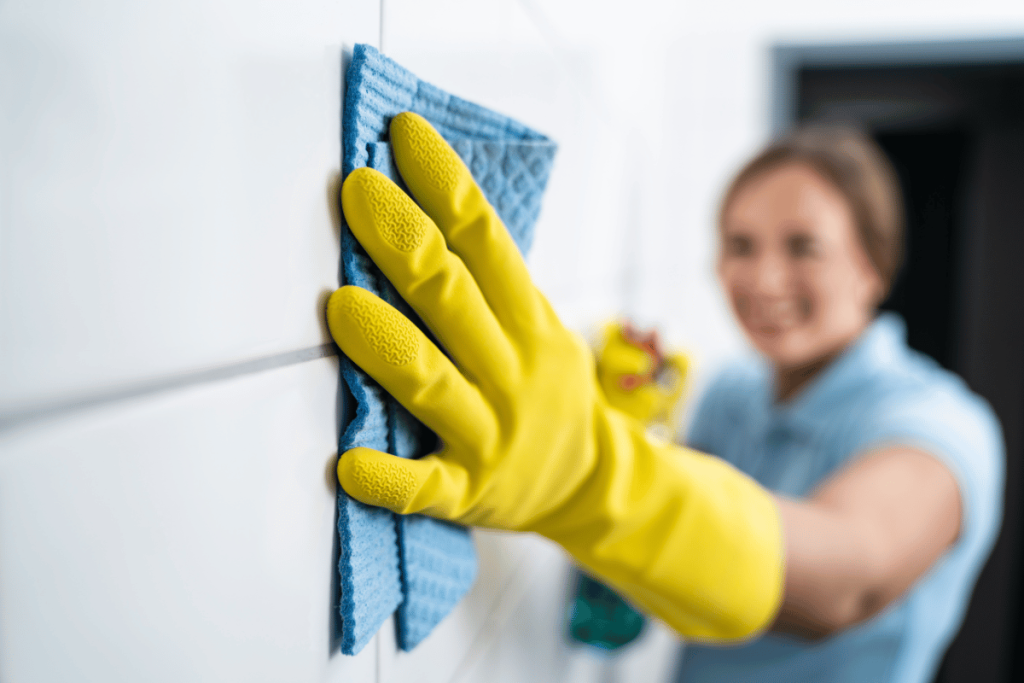
Keeping your walls clean is an important part of maintaining a fresh and well-kept home. In cities like Kitchener, Waterloo, and Cambridge, seasonal changes can bring dust, moisture, and indoor buildup that gradually dull painted surfaces.
The good news is that you can clean walls effectively without damaging the finish, provided you use gentle products and the correct technique. This guide shares practical steps Canadian homeowners can follow to keep their walls looking their best.
Start With Gentle Dusting
Before using any cleaning solution, remove loose dust and debris. Use a microfiber cloth, dry sponge, or vacuum with a soft brush attachment. This prevents loose dirt from spreading or scratching the paint during cleaning.

Pay extra attention to corners, baseboards, and areas around vents where dust tends to collect, especially during colder months when windows remain closed.
Homes that have recently undergone construction may require more extensive cleaning. Following the proper process for cleaning dust after a renovation can help prevent fine particles from being spread across walls and other finished surfaces.
Choose the Right Cleaning Solution
For most painted walls, a mild solution works best. Mix a small amount of dish soap with warm water. Avoid harsh chemicals and abrasive cleaners because they can dull the finish, discolour the surface, or remove paint.

Always test the solution on a small, hidden area first. Allow the test area to dry completely before checking whether the paint colour or sheen has changed.
Do not combine household cleaning products. Mixing different cleaners can damage the wall and may create unsafe fumes.
Use a Soft Cleaning Technique
Dip a soft sponge or cloth into the cleaning solution and wring it out thoroughly. The cloth should be damp rather than wet. Excess moisture can seep into damaged paint, drywall, or wall joints.
Gently wipe the wall using light circular motions. Work in small sections and avoid applying heavy pressure.
After cleaning each section, wipe away any soap residue with a separate cloth dampened with clean water. Use a dry towel to remove remaining moisture.
Focus on High-Traffic Areas
Certain parts of the home require more frequent attention. Kitchens, hallways, entryways, and children’s rooms often collect fingerprints, grease, scuffs, and other marks.
Kitchen walls may develop grease buildup from cooking. A slightly stronger mixture of mild dish soap and warm water may help, but the solution should still be tested before it is used across a visible area.
Bathrooms can develop water marks or surface buildup because of high humidity. Homeowners completing a bathroom renovation should also consider suitable ventilation and moisture-resistant finishes to make future maintenance easier.
Handle Stubborn Stains Carefully
For scuffs, crayon marks, or isolated stains, begin with the mildest cleaning method. Apply a small amount of diluted soap solution to a soft cloth and work gently on the mark.

Stronger products and melamine cleaning sponges should be used cautiously. Their mildly abrasive surface can change the paint sheen or remove colour, especially from flat and matte finishes.
Avoid aggressive scrubbing. Repeated rubbing can create a polished patch that remains visible even after the stain has been removed.
Know Your Paint Type
Different paint finishes react differently to cleaning. Gloss and semi-gloss finishes are generally more washable, while matte and flat finishes require extra care.
Eggshell finishes offer moderate durability but can still develop visible marks when scrubbed heavily. When the paint type is unknown, begin with the gentlest possible method.
Walls that remain permanently stained, faded, or damaged may require preparation and repainting. Professional interior painting services can help repair minor surface flaws and apply a finish suited to the room’s moisture and traffic levels.
Watch for Mould and Moisture Damage
Dark spots that continue returning after cleaning may be caused by mould rather than ordinary dirt. This is especially common around windows, bathrooms, basements, and exterior walls with condensation problems.
Homeowners should follow appropriate steps for removing mould from painted walls and correct the underlying moisture source before repainting.
Peeling paint, soft drywall, persistent staining, or musty odours can indicate a leak or moisture problem behind the surface. Covering these signs with new paint will not provide a lasting solution.
When to Consider Professional Help
Basic cleaning may not be enough when walls have heavy smoke residue, widespread staining, water damage, peeling paint, or years of accumulated buildup.
Professional help may also be appropriate when the wall requires drywall repairs, moisture correction, stain-blocking primer, or complete repainting. Broader concerns involving several rooms may be addressed as part of professional home renovation services.
Cleaning walls without removing paint is straightforward when you use mild products, limited moisture, and gentle pressure. Regular maintenance improves the appearance of the home and can extend the useful life of the paint finish.
For homeowners in Kitchener, Waterloo, and Cambridge, consistent cleaning and moisture control can help walls remain fresh, clean, and attractive throughout seasonal changes.