

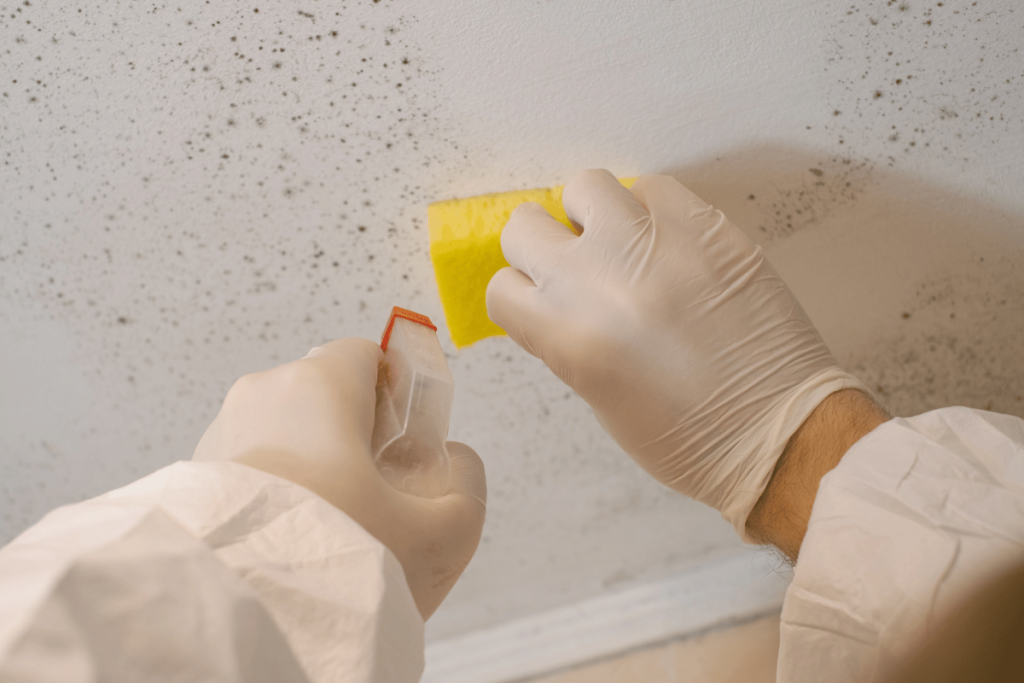
Mold on painted walls is a common concern for homeowners across Kitchener, Waterloo, and Cambridge. With changing seasons, higher humidity levels, and colder months, moisture can build up inside homes and create the perfect conditions for mold growth. If left untreated, mold can damage your walls and affect indoor air quality. The good news is that in many cases, it can be removed safely with the right approach.
Why Mold Grows on Painted Walls
Mold thrives in damp, poorly ventilated areas. Bathrooms, basements, and even bedrooms with limited airflow are common problem spots in Southwest Ontario homes. Condensation from temperature differences, leaks, or high indoor humidity often leads to mold forming on painted surfaces.
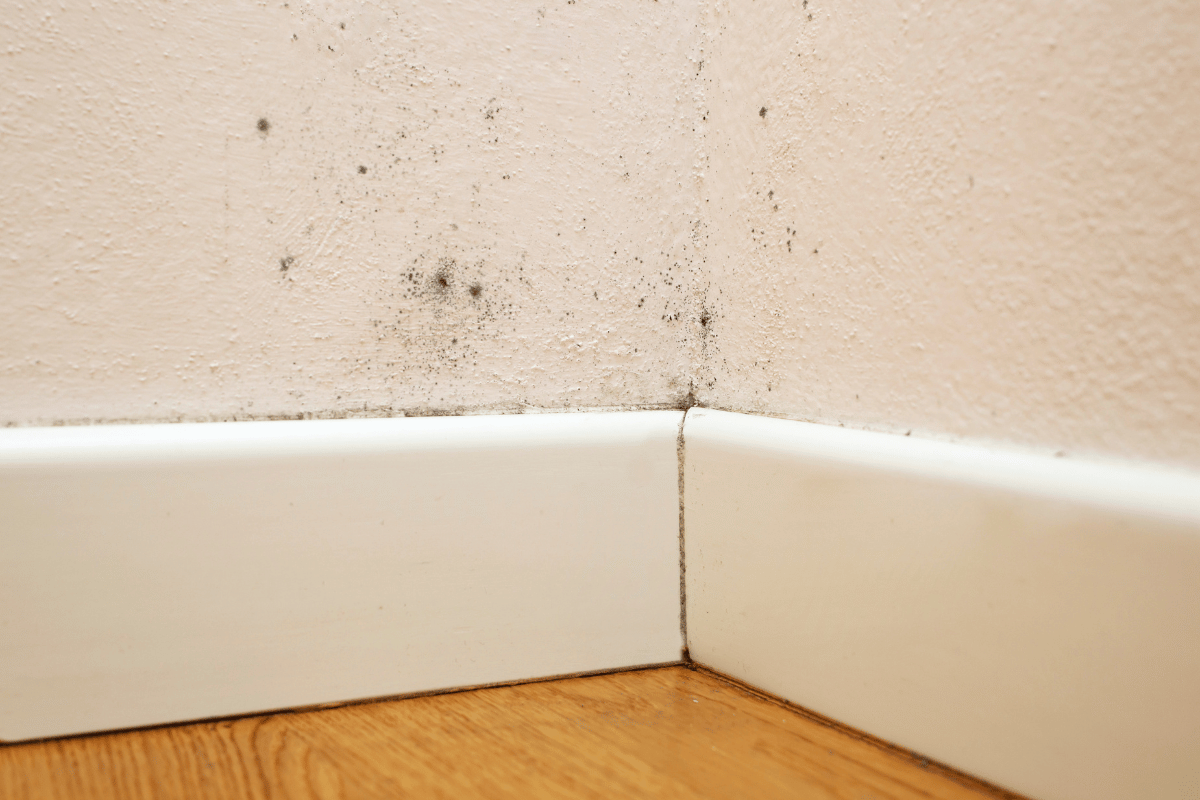
Paint can slow moisture absorption, but it does not stop mold entirely. Once mold spores settle and find moisture, they begin to spread quickly.
Step-by-Step Process to Remove Mold
1. Identify the Affected Area
Start by checking how far the mold has spread. Small patches on walls are usually manageable with basic cleaning methods. If the affected area is larger than a few square feet, it may require professional attention.
2. Protect Yourself
Before cleaning, wear gloves, a mask, and eye protection. Mold spores can irritate your skin and lungs, so safety is important.
3. Prepare a Cleaning Solution
For painted walls, a mild cleaning solution works best. Mix warm water with a small amount of dish soap or use a vinegar solution. Avoid harsh chemicals like bleach on painted surfaces unless absolutely necessary, as they can damage the paint finish.
4. Gently Clean the Surface
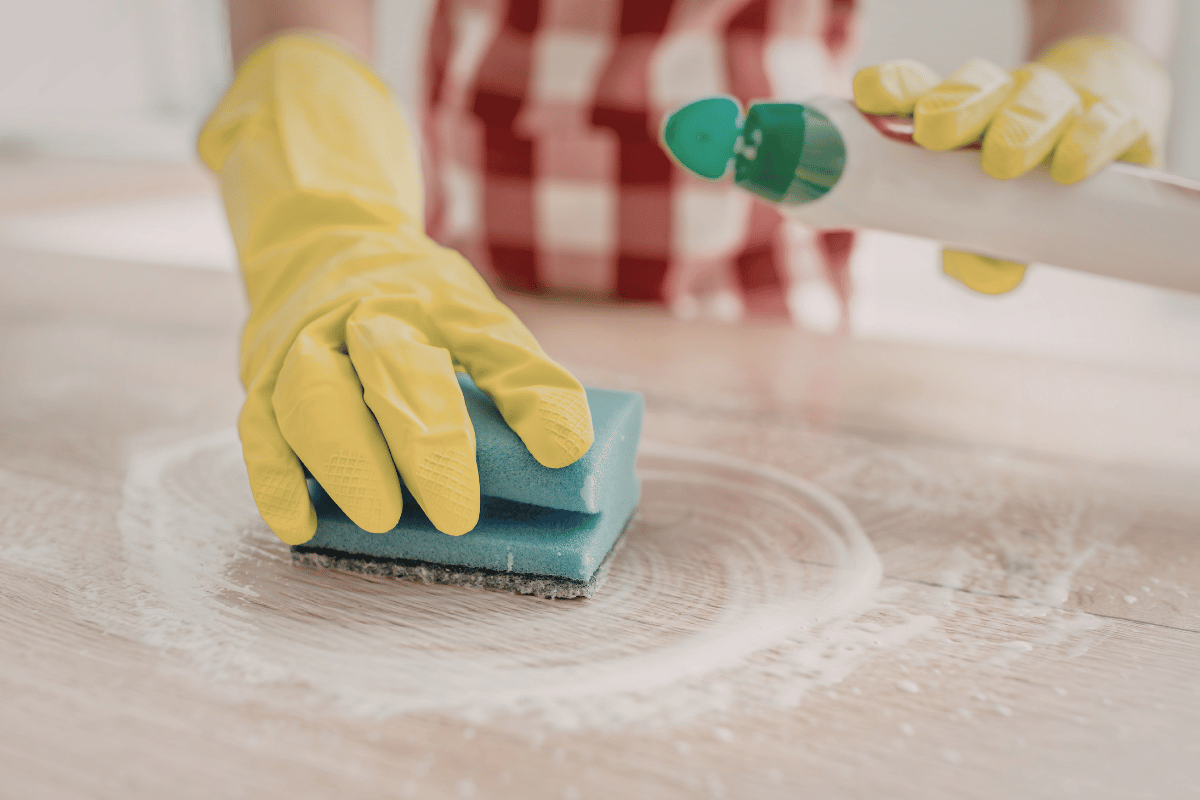
Use a soft sponge or cloth to clean the moldy area. Do not scrub too hard, as this can remove paint. Wipe the surface in a circular motion and gradually lift the mold from the wall.
5. Dry the Area Completely
Once cleaned, dry the wall using a clean towel or allow proper air circulation. Moisture left behind can cause mold to return quickly.
Preventing Mold From Coming Back
Removing mold is only part of the solution. Preventing it from returning is just as important, especially in Canadian homes where seasonal changes affect indoor humidity.
- Improve ventilation by using exhaust fans in kitchens and bathrooms
- Open windows when weather allows to increase airflow
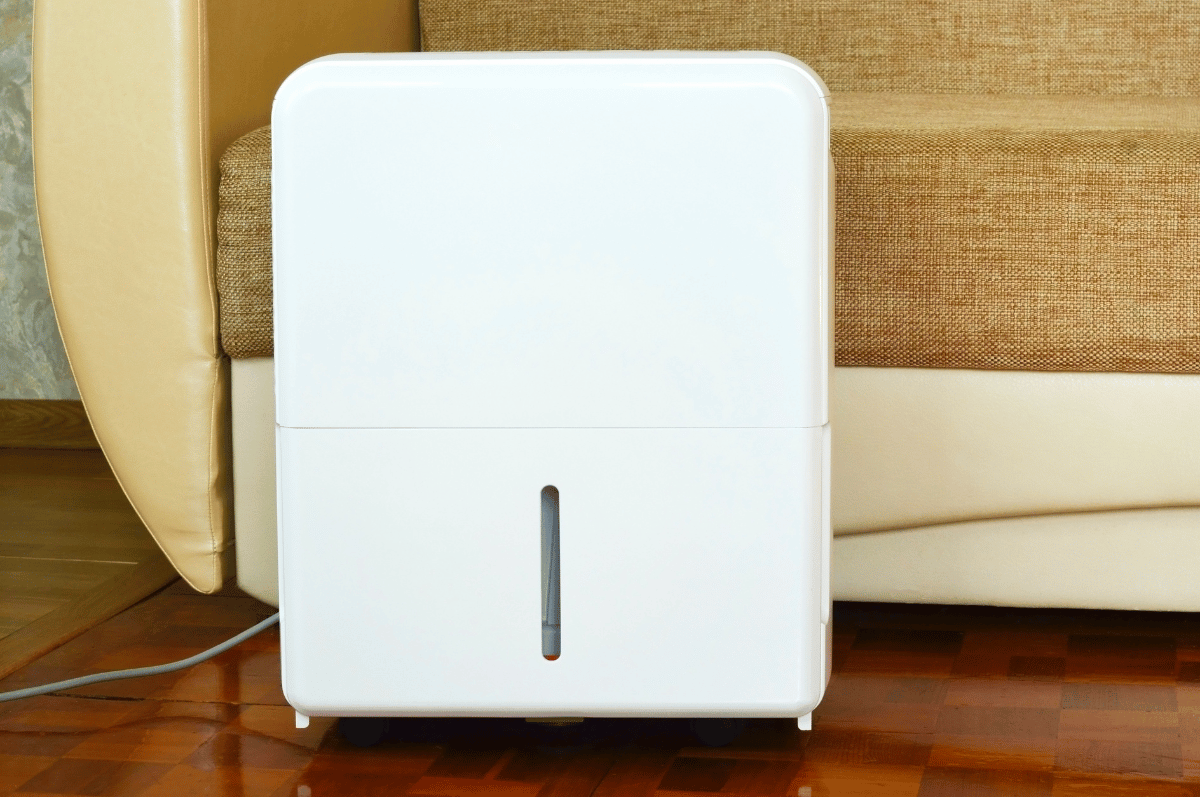
- Use a dehumidifier in damp areas like basements
- Fix leaks in plumbing or roofing as soon as possible
- Keep indoor humidity levels between 30 to 50 percent
Regular maintenance helps protect your walls and keeps your home healthier.
When to Call a Professional
If mold keeps coming back or covers a large area, it may indicate a deeper moisture issue inside the walls. In such cases, working with a Contractor for remodelling can help identify the root cause and fix structural problems.
For homeowners planning upgrades, combining mold removal with improvements like better insulation or ventilation can be part of a larger Complete home renovation contractor plan. This ensures long-term protection and improves overall home value.
Mold on painted walls is not just a cosmetic issue. It is a sign that moisture control needs attention. With the right cleaning method and preventive steps, you can restore your walls and maintain a safe indoor environment.
For homes in Kitchener, Waterloo, and Cambridge, staying proactive with maintenance is key due to changing weather conditions. Address small problems early to avoid costly repairs later.