


Building a legal basement in Ontario can significantly increase your home’s value, add rental income potential, and improve usable living space. However, many homeowners in Kitchener, Waterloo, and Cambridge rush into the process without fully understanding the requirements and end up making costly mistakes. A legal basement is not just about finishing a space, it must meet Ontario Building Code standards, safety regulations, and municipal by-laws.
Here are the most common mistakes homeowners should avoid when planning a legal basement in Southwest Ontario.
1. Ignoring Permits and Local Building Codes
One of the biggest mistakes is starting construction without the proper permits. In Ontario, any basement conversion into a legal living space requires approval from your local municipality. Skipping this step can result in fines, forced removal of work, or issues when selling your home later.

Every city, including Kitchener, Waterloo, and Cambridge, has strict guidelines around ceiling height, fire safety, insulation, and ventilation. Always confirm your plans meet all requirements before construction begins.
2. Poor Planning of Layout and Space Usage
Many homeowners focus only on finishing the basement quickly rather than designing a functional layout. A legal basement must include proper bedroom size, safe exits, and sufficient living space.
A common oversight is not planning for natural light or proper emergency escape windows. Without these, your basement may not qualify as a legal secondary unit. Careful design at the beginning helps avoid expensive changes later.
3. Hiring Unqualified or Inexperienced Contractors
Choosing the wrong contractor is another serious mistake. Basement projects require knowledge of structural work, plumbing, electrical systems, and legal compliance. Hiring someone without proper experience can lead to failed inspections and unsafe conditions.
Working with a professional ensures the project follows all legal and safety standards while saving you time and money in the long run. A reliable Basement contractor understands local regulations and can guide you through the entire approval process.
4. Overlooking Moisture and Waterproofing Issues
Southwest Ontario has varying weather conditions that can affect basement structures. Moisture control is essential, yet many homeowners neglect proper waterproofing.
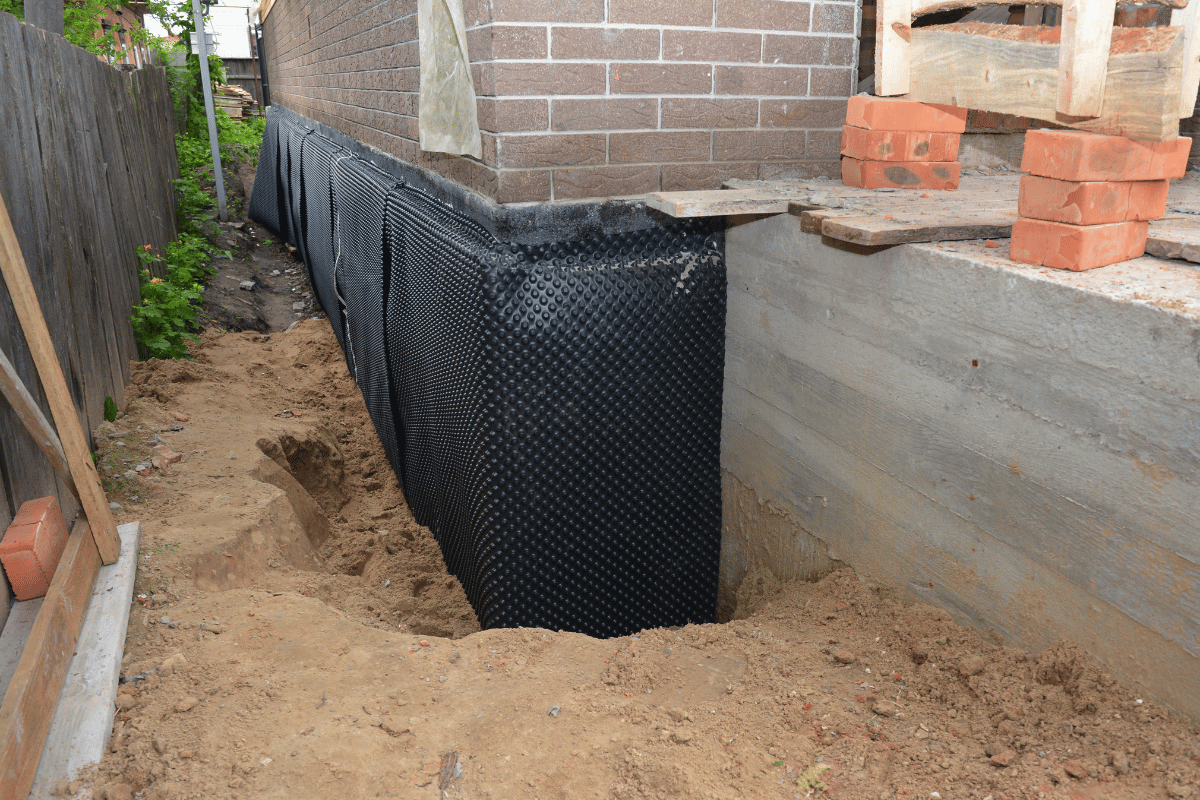
Failing to address foundation cracks, drainage issues, or humidity control can lead to mould growth and long-term structural damage. Investing in proper waterproofing at the start is far more cost-effective than repairs later.
5. Incorrect Electrical and Plumbing Installation
Basements require careful electrical and plumbing planning to meet code requirements. Poor installation can result in safety hazards and inspection failures.

All wiring and plumbing must be completed according to Ontario standards and inspected by certified professionals. Cutting corners in this area can lead to serious legal and financial consequences.
6. Ignoring Future Use and Property Value
Some homeowners design basements without considering long-term use or resale value. A legal basement should not only meet current needs but also appeal to future buyers or tenants.
For example, adding an extra bathroom can greatly improve functionality and rental appeal. Planning ahead ensures you get the best return on investment and avoid unnecessary renovations later.
In many cases, homeowners also look at overall home upgrades such as Bathroom renovation to improve both comfort and property value at the same time.
Building a legal basement in Ontario is a smart investment, but only when done correctly. Homeowners in Kitchener, Waterloo, and Cambridge should focus on proper planning, legal compliance, and quality workmanship from the start. Avoiding these common mistakes can save you from costly delays and ensure your basement is safe, functional, and fully legal.
Working with experienced professionals ensures your project meets all requirements and adds real value to your home for years to come.