


A gravel driveway is a practical and affordable option for many homeowners in Kitchener, Waterloo, and Cambridge. It handles heavy vehicles, suits rural and suburban properties, and is easier to repair than asphalt. However, with freeze thaw cycles, heavy rain, and snow clearing in South West Ontario, gravel can quickly become loose, rutted, or muddy.
If you want to make your gravel driveway solid and long lasting, the solution lies in proper preparation, layering, and drainage.
Start with Proper Excavation
A solid gravel driveway begins below the surface. Simply dumping new gravel on top of old material will not fix the problem for long.
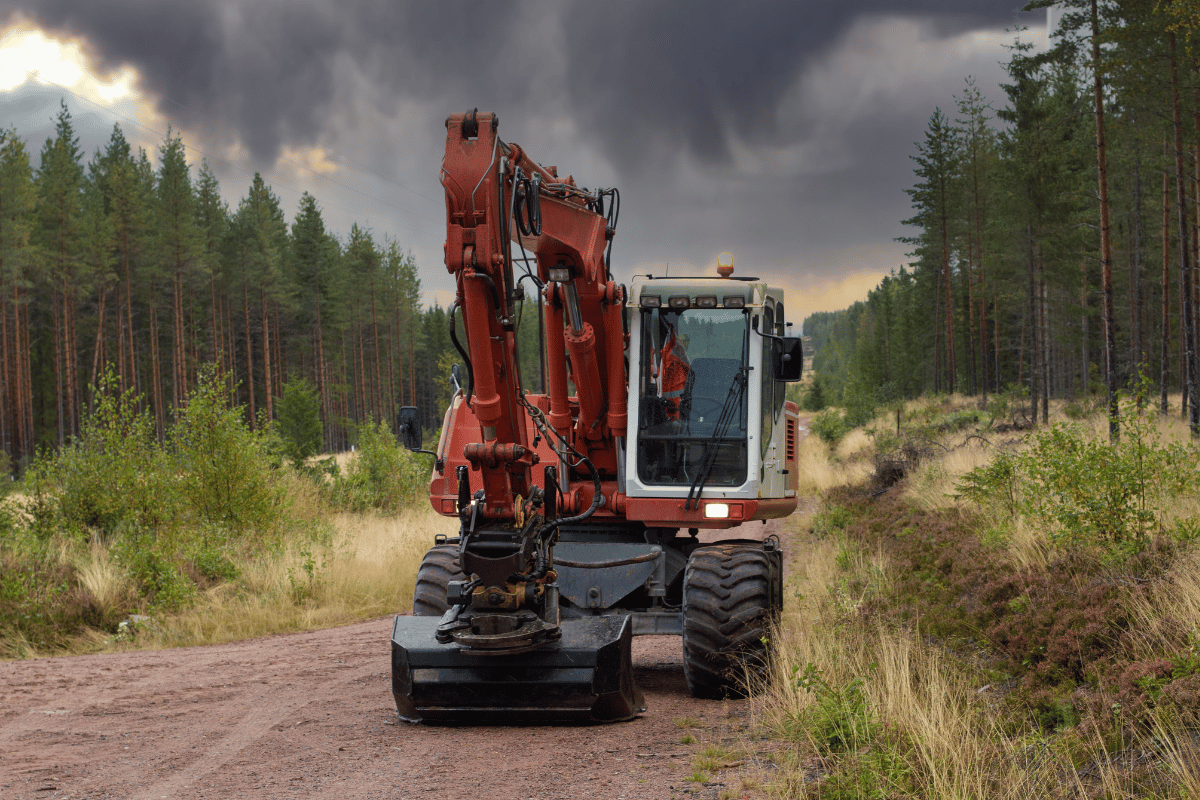
For Ontario homes, excavation should typically be 8 to 12 inches deep, depending on soil conditions and traffic load. Clay based soil, which is common in this region, holds water and shifts easily. Removing topsoil and soft ground prevents sinking and potholes later.
If your driveway has deep ruts or standing water, grading and re excavation may be necessary before adding new material.
Install a Strong Base Layer
The base layer is the most important step in making gravel solid. In South West Ontario, crushed stone such as Granular A is commonly used. This mix contains different sizes of stone and fine particles that compact tightly together.
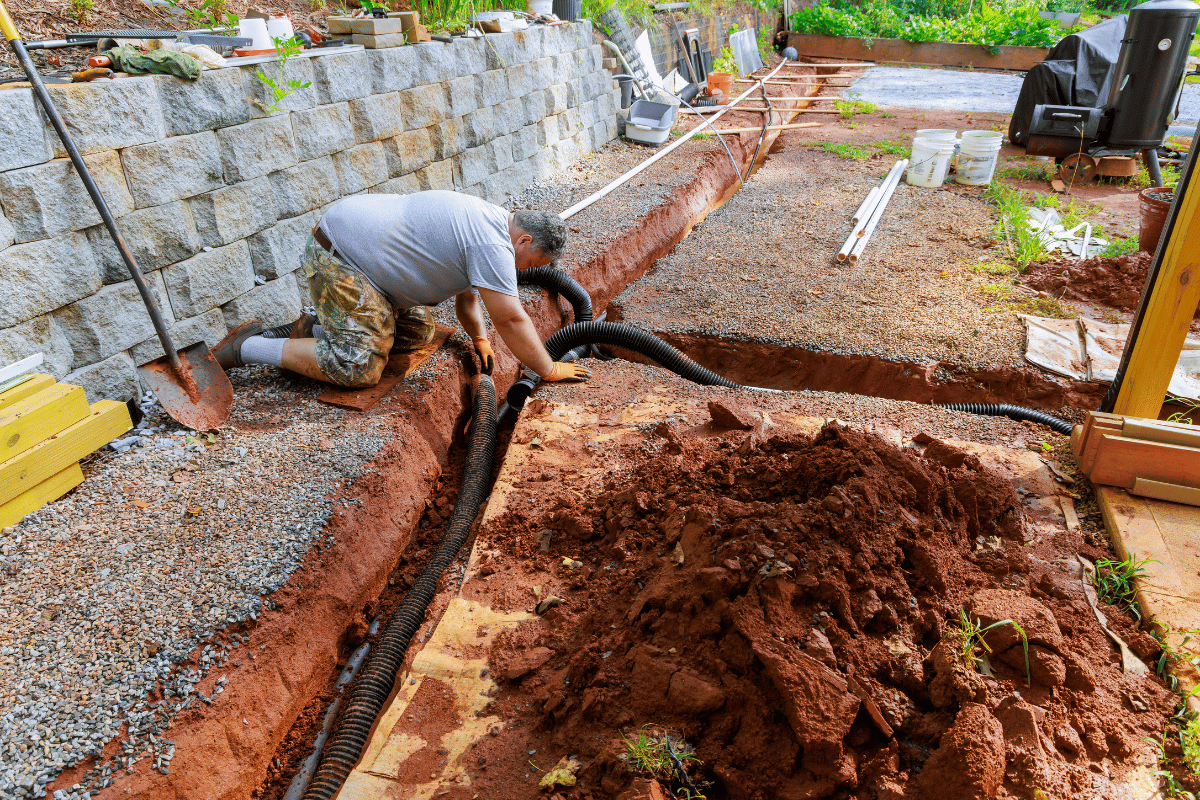
Spread the base in layers of 3 to 4 inches at a time and compact each layer using a plate compactor or roller. Proper compaction removes air gaps and locks the stones together.
Without this step, even the best gravel will shift under vehicle weight.
Improve Drainage
Water is the main reason gravel driveways fail in Canadian climates. Melting snow and heavy rain can wash away stone and weaken the base.
To prevent this:
- Create a slight crown in the centre so water runs off to the sides
- Install proper side ditches or drainage channels
- Ensure the driveway slopes away from your home foundation
Good drainage protects not only your driveway but also your landscaping and exterior structure.
Use the Right Top Layer Gravel
For the surface layer, choose angular crushed gravel rather than round stone. Angular pieces interlock and compact better. A 3 to 4 inch layer is usually enough on top of a solid base.
After spreading, compact the surface again. Watering lightly before final compaction can help bind fine particles and improve firmness.
Avoid using pea gravel as a main surface layer because it moves easily under tires.
Consider a Geotextile Fabric
If your driveway sits on soft or unstable soil, installing a geotextile fabric between the soil and base layer can significantly improve stability. This fabric prevents the gravel from sinking into the ground and keeps layers separated.
This is especially helpful for properties in rural areas around Waterloo Region where soil can be uneven or moisture heavy.
Regular Maintenance Keeps It Solid
Even a well built gravel driveway needs maintenance. Plan to:
- Regrade once or twice a year
- Fill low spots quickly before they worsen
- Add fresh gravel every few years as needed
Timely upkeep is more affordable than a full rebuild.
When to Call Professionals
If your driveway constantly develops potholes, holds water, or shifts after winter, it may require professional assessment. At Aahrenos, we provide structural exterior upgrades along with interior services such as Bathroom renovation and larger scale projects as a Complete home renovation contractor.
A properly built gravel driveway is not just about appearance. It protects your vehicles, improves curb appeal, and increases property value. With correct excavation, compaction, and drainage suited to Ontario’s climate, your gravel surface can stay firm and reliable for years.
If you are planning exterior improvements in Kitchener, Waterloo, or Cambridge, professional guidance ensures the work is done right the first time.