

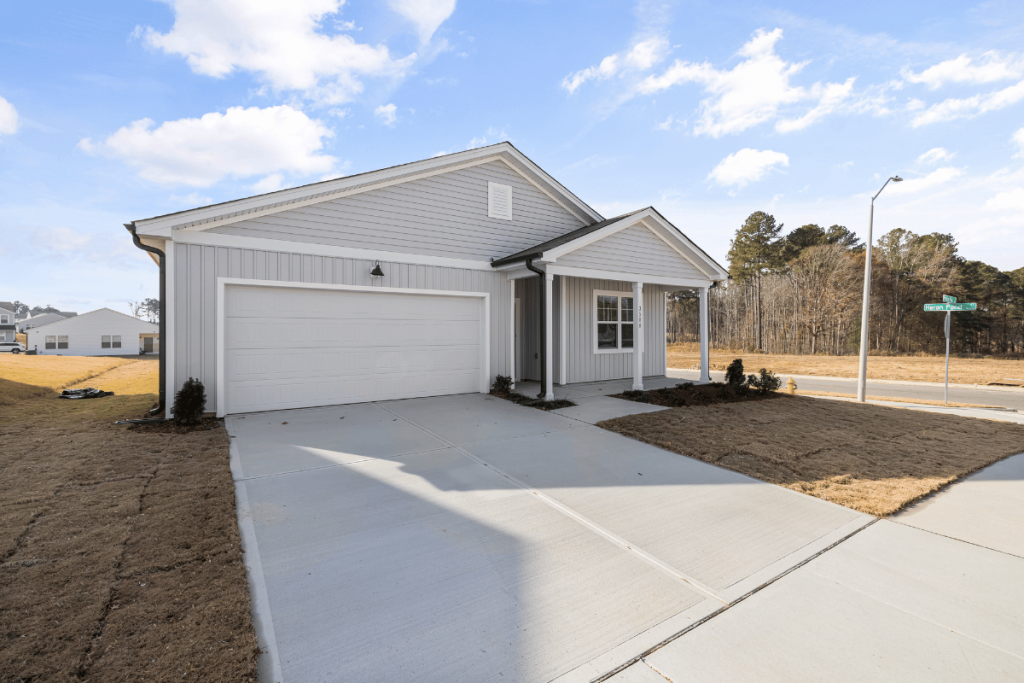
When homeowners in Kitchener, Waterloo, and Cambridge think about increasing property value, they often focus on kitchens and bathrooms. While interior upgrades are important, the exterior of your home plays a major role in first impressions and resale potential. One upgrade that is often overlooked is the driveway.
So, does a new driveway add value to your home in South West Ontario? In many cases, yes. Let’s look at why.
First Impressions Matter in Real Estate
In competitive markets like Kitchener and Waterloo, buyers make quick decisions. The driveway is one of the first things they see when they pull up to your home. Cracks, potholes, oil stains, and uneven surfaces can make the entire property look neglected, even if the interior is well maintained.
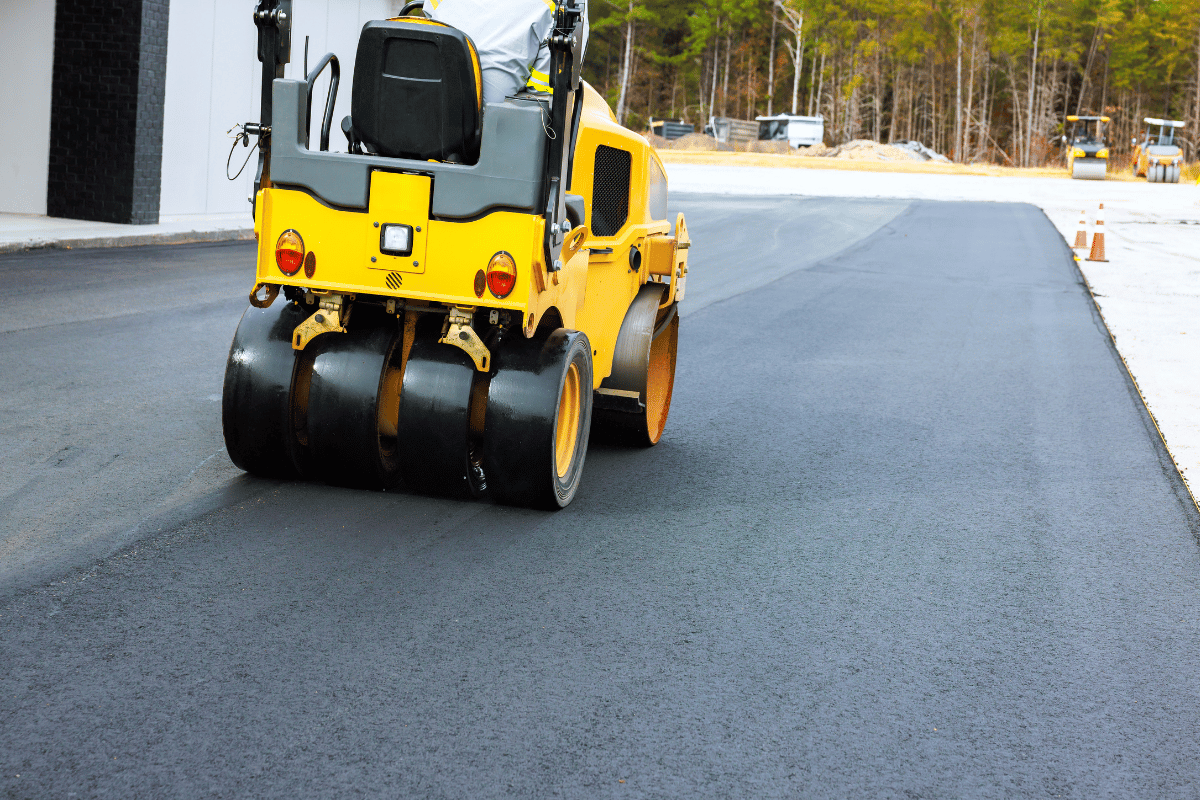
A new driveway improves curb appeal instantly. Clean lines, smooth surfaces, and proper edging create a polished appearance. This can increase perceived value and attract more serious buyers.
Practical Benefits for Ontario Homes
Driveways in South West Ontario face tough weather conditions. Freeze and thaw cycles, heavy snow, road salt, and rain can cause significant wear over time. Older asphalt driveways often develop cracks that allow water to seep in, leading to further damage.
Installing a new driveway provides:
- Better drainage to prevent water pooling
- Improved durability against winter conditions
- Safer walking surfaces in icy months
- Reduced long term maintenance costs
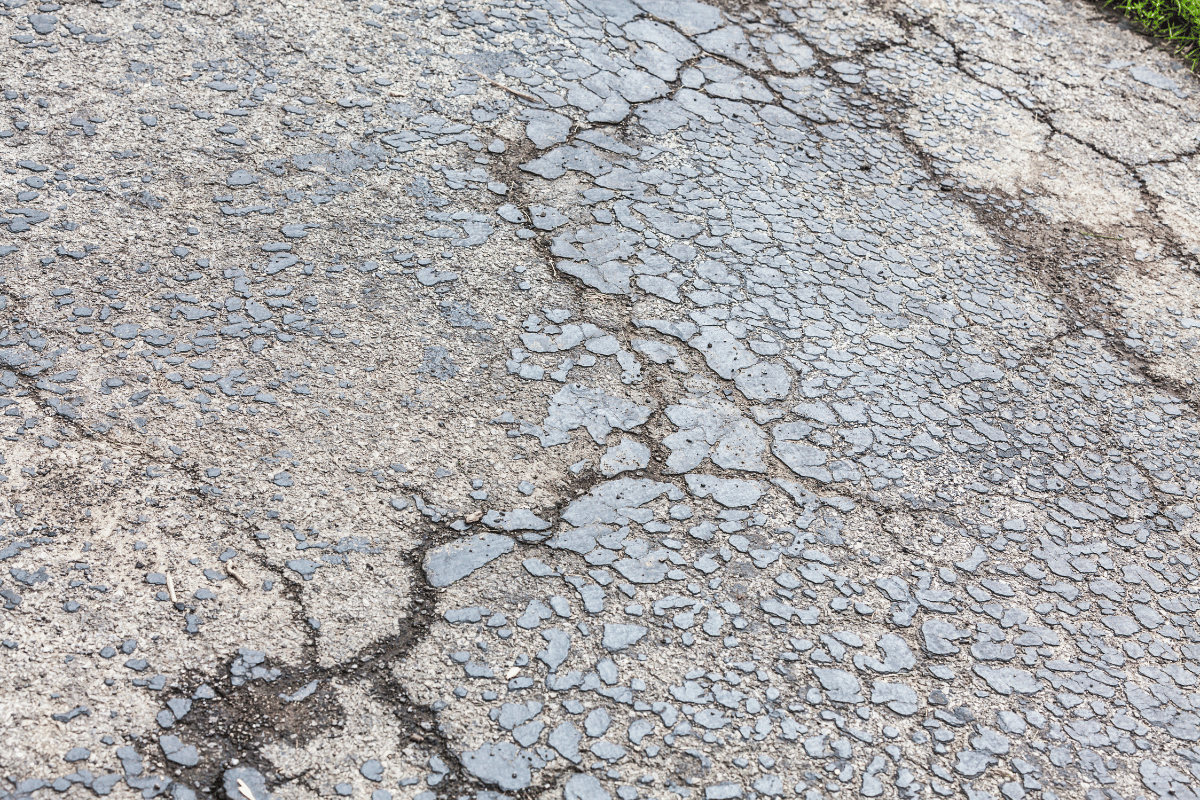
Buyers appreciate upgrades that reduce future repair expenses. A new driveway signals that the homeowner has invested in proper maintenance.
Financial Return on Investment
While a driveway may not offer the same return as a full kitchen upgrade, it still contributes positively to overall property value. Real estate professionals in Cambridge and Waterloo often note that homes with updated exteriors tend to sell faster and closer to asking price.
The value added depends on several factors:
- Type of material used such as asphalt, concrete, or interlock
- Size and layout of the driveway
- Overall condition of the rest of the property
- Neighbourhood standards
In higher end neighbourhoods, a deteriorating driveway can significantly impact perceived value. In mid range areas, a fresh and clean driveway can make your home stand out from similar listings.
Is It Worth Replacing or Just Repairing?
Not every driveway needs full replacement. Minor cracks and surface wear can sometimes be repaired or sealed. However, if your driveway has:
- Deep structural cracks
- Large sunken areas
- Repeated drainage problems
- Extensive surface breakdown
Replacement may be more cost effective in the long term.
A professional assessment from a contractor for remodelling can help determine the right solution. An experienced team understands local soil conditions and municipal guidelines in Kitchener and surrounding areas.
Planning the Upgrade Properly
Before starting a driveway project, consider the following:
- Check local bylaws in Kitchener, Waterloo, or Cambridge regarding driveway width and materials.
- Ensure proper grading to direct water away from your foundation.
- Choose materials that match the style of your home.
- Work with a certified contractor in local area who understands Ontario building standards.
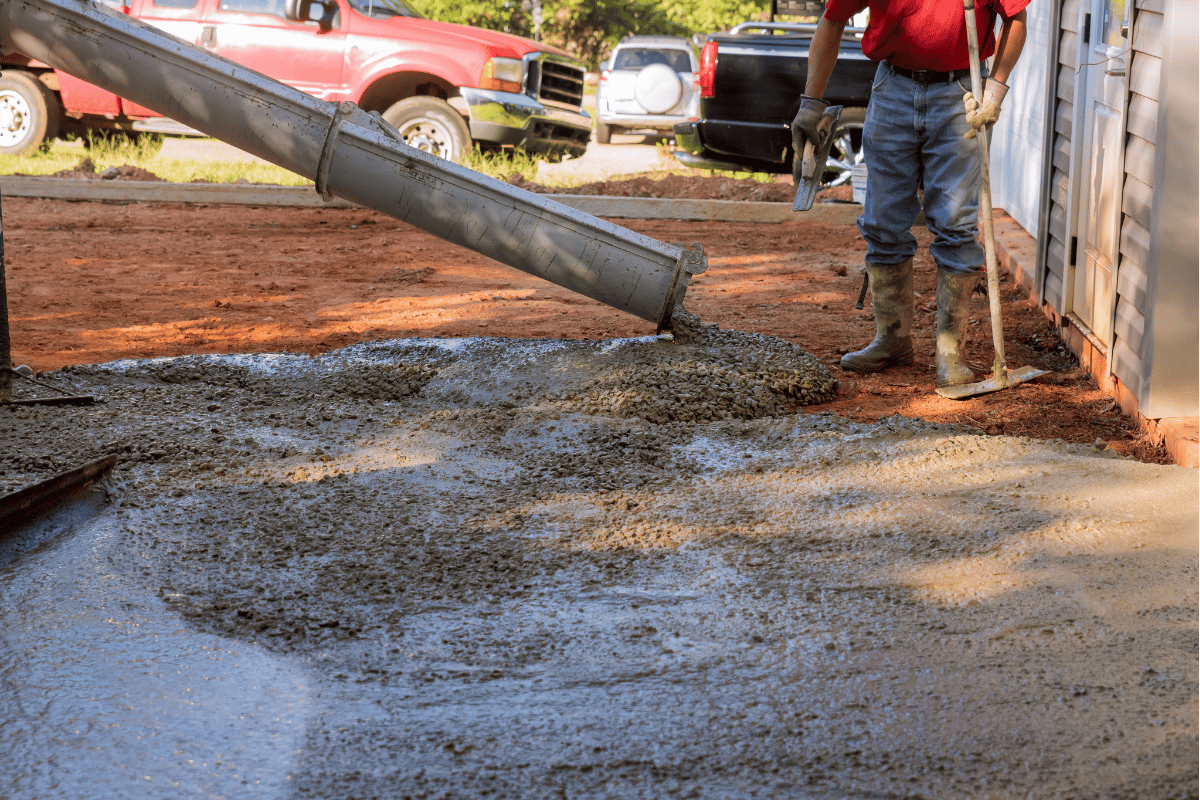
Poor installation can lead to premature cracking and drainage issues, which reduces any potential value increase. Proper base preparation and compaction are especially important in areas with clay soil, which is common in parts of South West Ontario.
How It Fits Into Overall Renovation Strategy
If you are planning to sell within a few years, combining a driveway upgrade with other exterior improvements such as landscaping, new lighting, or updated entry doors can significantly improve overall presentation.
For homeowners staying long term, a new driveway improves daily comfort and safety while protecting your investment. When paired with other projects like roofing or exterior siding updates, it becomes part of a broader property improvement plan.
Yes, a new driveway can add value to your home, especially in competitive real estate markets like Kitchener, Waterloo, and Cambridge. It enhances curb appeal, improves safety, and reduces maintenance concerns for future buyers.
While it may not be the most glamorous renovation, it is a practical upgrade that supports both resale potential and long term property care. With proper planning and professional installation, a new driveway is often a smart investment for Canadian homeowners.