

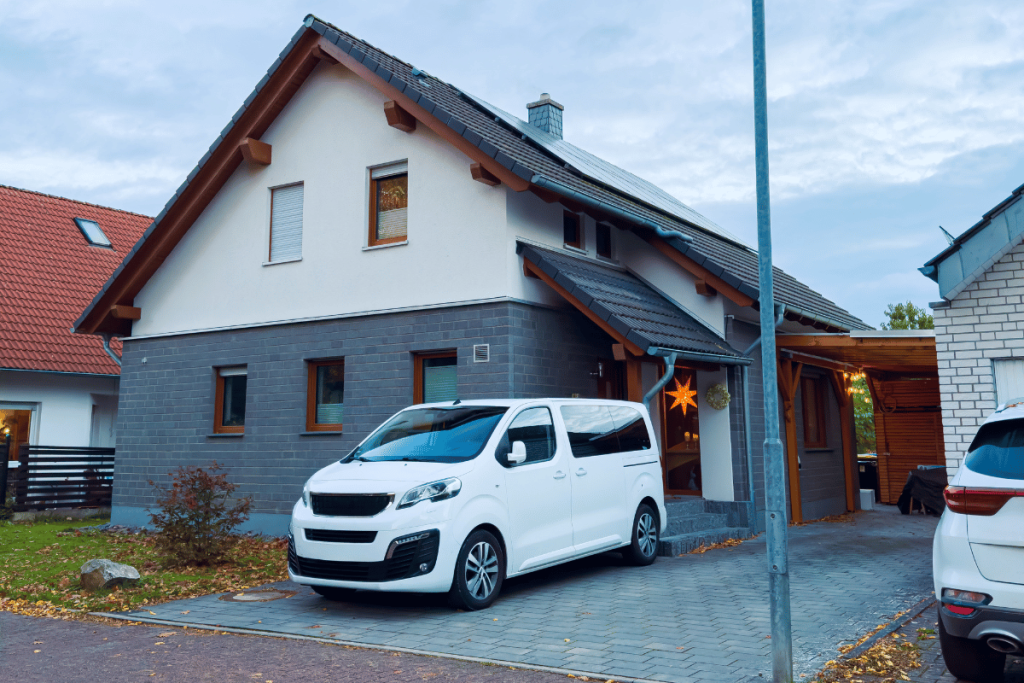
Adding a second driveway can be a practical solution for homeowners with multiple vehicles, frequent visitors, or a need for better property access. For homeowners in Kitchener, Waterloo, and Cambridge, a second driveway may be possible, but approval depends on municipal regulations, lot dimensions, road access, drainage, and the existing property layout.
Check Local Regulations
Before planning construction, confirm the current requirements with your municipality. Kitchener, Waterloo, and Cambridge have rules concerning driveway width, location, parking capacity, property setbacks, curb access, and the amount of front-yard space that can be paved.
A new driveway may also require approval when it connects to a public road, crosses a sidewalk or boulevard, or requires a new curb opening. Homeowners should review whether they need a permit for a driveway before removing landscaping or beginning excavation.
Professional permit and inspection services can help identify the documents, drawings, and municipal approvals required for the proposed project.
Constructing a driveway without the correct approval can result in fines, required modifications, or removal of non-compliant work.
Evaluate Your Property Layout
Adding a second driveway involves more than creating another paved area. The design must work with the property’s existing landscaping, trees, walkways, utilities, slopes, and drainage patterns.
Important factors include:
- Available frontage and lot width
- Distance from property lines and intersections
- Safe visibility when entering the road
- Existing sidewalks, curbs, and municipal boulevards
- Access to the garage and front entrance
- Space for snow storage during winter
- Drainage away from the foundation and neighbouring properties

On a smaller lot, adding another driveway may remove a significant amount of landscaping or create an overcrowded front yard. A professional site assessment can help determine whether a second driveway, an extension, or a redesigned parking area is the best option.
Homeowners who only need additional parking may find that extending an existing asphalt driveway is more practical than creating a separate entrance from the road.
Choose the Right Materials
The selected driveway material affects cost, durability, maintenance, drainage, and appearance.
Common options include:
- Gravel: Generally affordable and flexible, but it requires periodic grading and replenishment.
- Asphalt: Provides a smooth surface and can be practical for larger areas, although cracking and fading may occur over time.
- Concrete: Offers a clean appearance and long service life when the base, joints, drainage, and curing are handled properly.
- Interlocking pavers: Provide a decorative appearance and allow individual units to be replaced, but installation costs may be higher.

The material should suit the home’s exterior, expected vehicle use, local weather, and maintenance budget. Proper base preparation is essential regardless of the selected surface.
Plan for Drainage and Grading
A second driveway adds more hard surface to the property, which can change how rainwater and snowmelt move across the lot.
The finished surface should not direct water toward:
- The home’s foundation or basement
- The garage entrance
- Public sidewalks or neighbouring properties
- Low areas where water may freeze during winter
Drainage and grading should be addressed during the design and approval stages. Correcting water problems after the driveway is installed can be difficult and expensive.
Hire an Experienced Contractor
A driveway project requires excavation, base preparation, compaction, grading, and specialized installation equipment. Poor workmanship can lead to sinking, cracking, uneven surfaces, and drainage concerns.
Learning how to choose a renovation contractor can help homeowners compare:
- Relevant driveway-construction experience
- Insurance and business credentials
- Base materials and preparation methods
- Drainage and grading plans
- Written estimates and warranties
- Permit and inspection responsibilities

The written agreement should clearly explain the project dimensions, surface material, base preparation, schedule, cleanup, and responsibility for municipal coordination.
Consider the Complete Project Cost
The cost of a second driveway varies considerably depending on its size, material, excavation requirements, drainage work, curb modifications, labour, and municipal fees.
The budget may need to include:
- Surveying or site-plan preparation
- Permit and application fees
- Utility-location services
- Excavation and soil removal
- Granular base and compaction
- Asphalt, concrete, gravel, or pavers
- Drainage improvements
- Sidewalk or curb restoration
- Landscaping repairs after construction
Obtain detailed written estimates rather than comparing only the total price. A lower quote may exclude important base preparation, drainage, permits, or finishing work.
Think About Long-Term Maintenance
Every driveway requires ongoing care. The amount and type of maintenance depend on the selected material.
Asphalt may require crack repairs and periodic protective treatment. Concrete should be monitored for joint damage, scaling, settlement, and drainage problems. Gravel requires grading and replacement of displaced material, while pavers may need joint maintenance and occasional levelling.
Homeowners with an existing concrete surface can review ways to improve a concrete driveway before deciding whether another full driveway is necessary.
Will a Second Driveway Add Value?
A second driveway can improve convenience and parking capacity, particularly for larger households or properties with limited garage access. However, its effect on property value depends on the neighbourhood, installation quality, appearance, and whether buyers consider the extra parking useful.
Homeowners can review whether a new driveway may add value to a home when comparing the project’s cost with its potential resale benefit.
The new driveway should also complement the landscaping and front entrance. Removing too much lawn or creating an unbalanced exterior may reduce the visual benefit, even when parking capacity improves.
Thoughtful borders, planting, lighting, and clean transitions can help the project strengthen the home’s curb appeal.
Adding a second driveway may be possible for homeowners in Kitchener, Waterloo, and Cambridge, but the project must comply with current municipal requirements and suit the property’s layout.
Careful planning, suitable drainage, professional installation, and written municipal approval can help create additional parking that is safe, practical, and designed for long-term use.