


Homeowners in Kitchener, Waterloo, and Cambridge often wonder if they can expand their asphalt driveway. The answer is yes, but it requires careful planning and preparation to ensure the new section integrates well with the existing surface and remains durable over time. A poorly executed addition can lead to cracks, uneven surfaces, and drainage problems, so understanding the process is essential before starting.
Evaluating Your Existing Driveway
Before adding to your driveway, it is important to inspect the current asphalt surface. Look for cracks, potholes, soft spots, or signs of wear. Asphalt expands and contracts with changes in temperature, and any existing damage can worsen if new asphalt is simply poured on top. Minor repairs may be needed to create a solid foundation for the addition. This step ensures that the new section bonds correctly and reduces the likelihood of future maintenance issues.
Planning the Driveway Extension
Proper planning is crucial. Start by measuring the space where you want the extension and determine the desired width and length. Local municipal regulations must also be considered, including driveway width restrictions, setbacks from property lines, and drainage requirements. Adding to a driveway without meeting these requirements can result in fines or costly modifications. Consulting a licensed renovation contractor familiar with local rules can save time and prevent problems.
Preparing the Surface
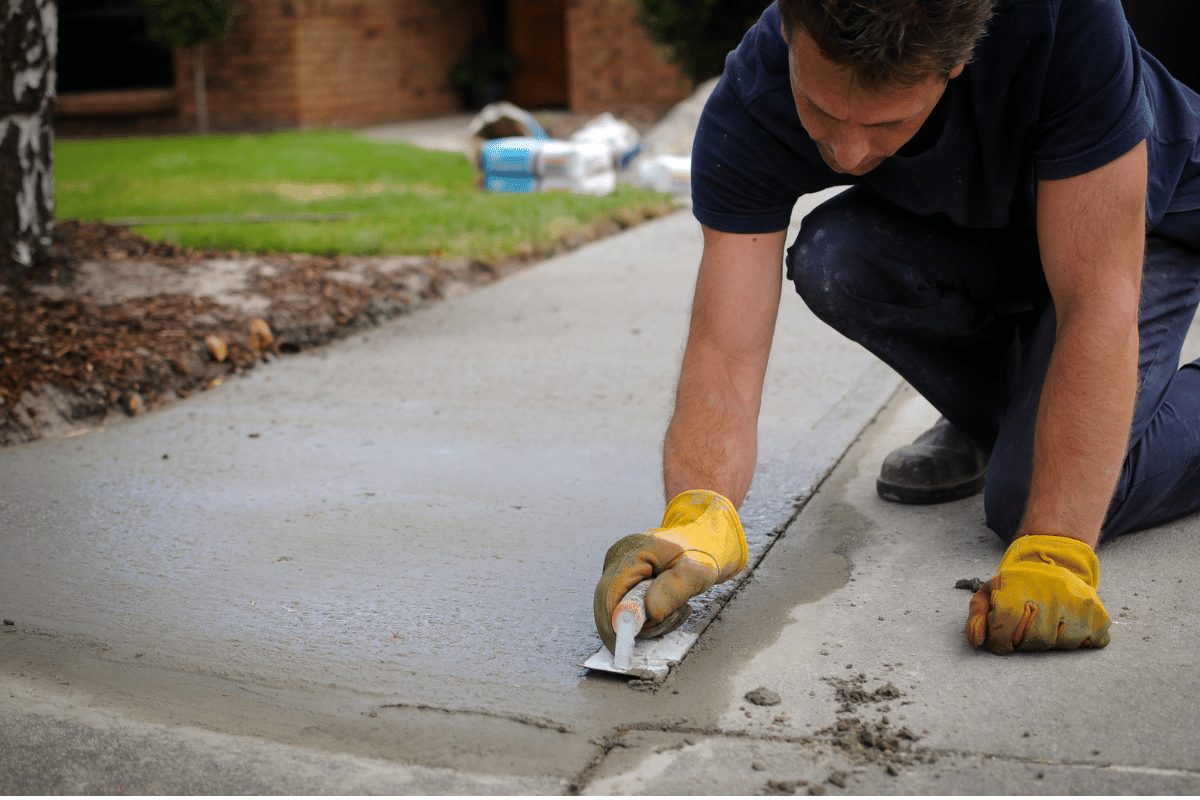
The existing asphalt must be prepared before pouring new material. This often involves cleaning the surface, cutting back the edges of the old asphalt, and sometimes adding a layer of crushed stone to provide a stable base. Proper grading ensures that water drains away from your home and prevents pooling, which can cause damage over time. The transition between old and new asphalt must be smooth to avoid cracks and uneven surfaces.
Choosing the Right Asphalt Mix
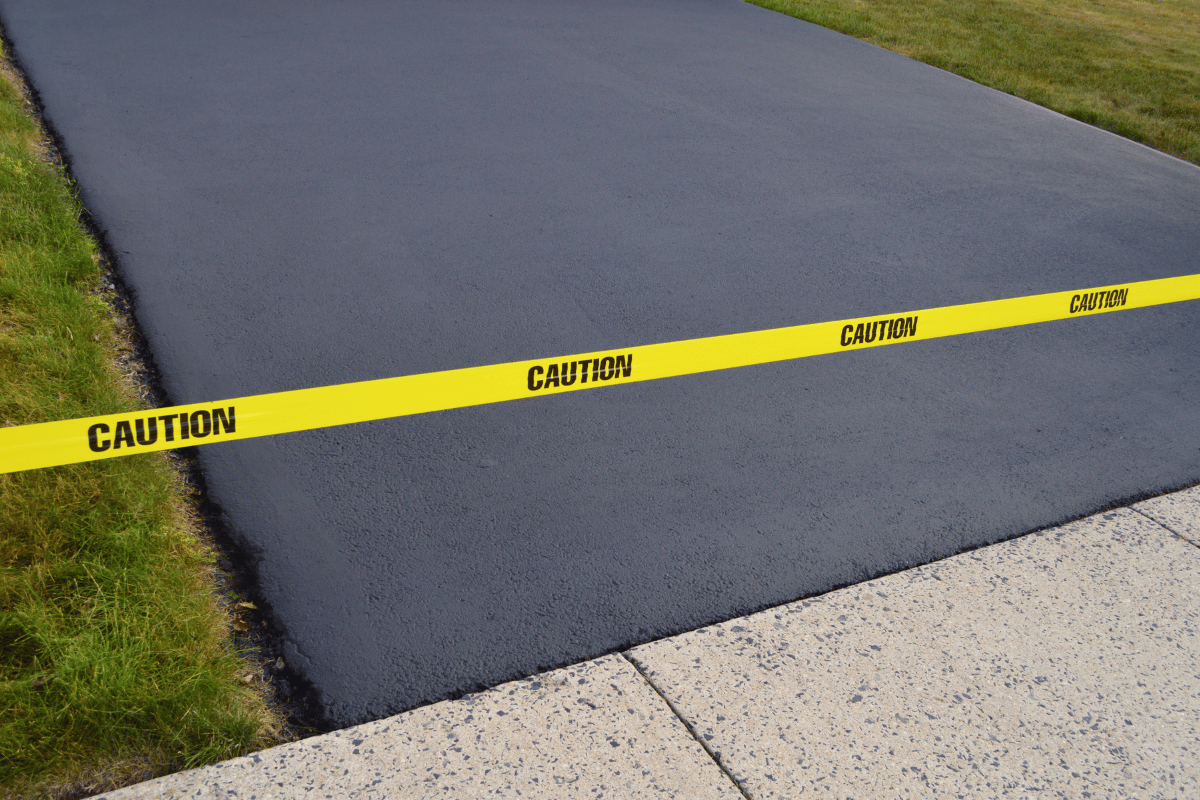
Not all asphalt is the same. The right mix depends on your region’s climate, the load the driveway will carry, and the type of vehicles that will use it. Using the same asphalt as the existing driveway is essential to achieve uniform colour and texture. In Southwestern Ontario, seasonal freeze-thaw cycles can stress asphalt surfaces, so choosing a mix designed to withstand these conditions is important for longevity.
Hiring a Professional
Adding to a driveway might seem straightforward, but it is a skilled task. An expert home renovation professional or certified asphalt contractor has the experience and equipment to ensure correct compaction, smooth transitions, and proper drainage. Professional installation increases the lifespan of your driveway and reduces the risk of costly repairs in the future.
Maintenance and Longevity
After completing the addition, proper maintenance is essential. Sealcoating the asphalt every few years protects it from water, UV rays, and wear from vehicles. Cracks should be filled promptly, and any drainage issues addressed immediately. With proper care, your expanded driveway can look and perform like a single, continuous surface for many years.
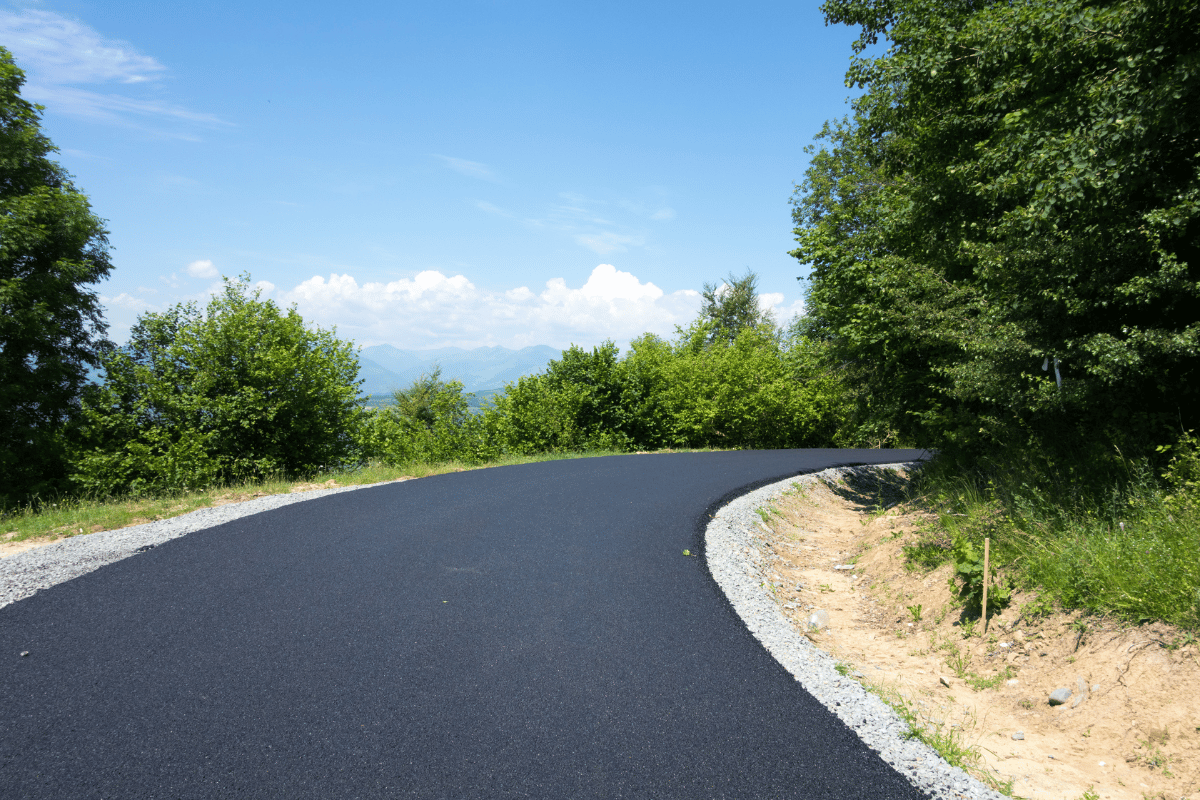
Adding onto an asphalt driveway is achievable with planning, the right materials, and skilled workmanship. Following these steps ensures that your expansion is both functional and visually seamless, giving your home improved curb appeal and usability.