

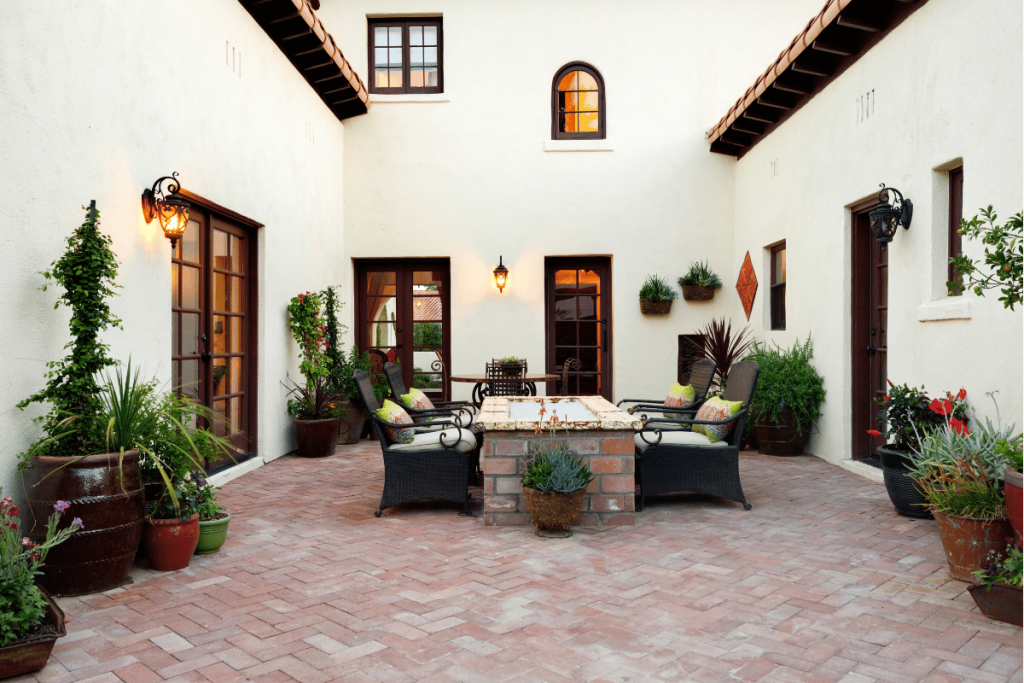
Creating a functional and inviting patio in a small backyard can feel challenging, especially in Southwestern Ontario, where weather, space, and budget all play a role. With the right planning and a few smart design choices, even the smallest outdoor living area can become a comfortable extension of your home.
If you live in Kitchener, Waterloo, or Cambridge, these practical patio ideas are designed to suit local homes, seasonal changes, and realistic budgets.
Plan Around How You Use the Space
Before choosing materials or furniture, think about how you want to use your patio. Is it mainly for relaxing, dining, gardening, or entertaining guests?
In a smaller yard, every element should serve a clear purpose. For example, a compact dining set works well if you enjoy outdoor meals, while a pair of lounge chairs may be enough for a quiet retreat.

Keeping the layout simple prevents overcrowding and makes the area feel larger. Following a clear renovation planning timeline can also help coordinate material selections, landscaping, lighting, and construction work.
Choose Space-Saving Furniture
Bulky furniture can quickly take over a small patio. Look for folding chairs, stackable seating, compact tables, or built-in benches positioned along the edges.
Multifunctional furniture, such as a storage bench, can keep cushions, gardening tools, and outdoor accessories organized without requiring additional storage space.
Neutral tones and lighter colours can also help the patio feel more open. Before purchasing furniture, confirm its dimensions and leave enough room for people to move comfortably.
Use Vertical Design Elements
When floor space is limited, make better use of vertical surfaces. Wall-mounted planters, trellises, hanging baskets, and vertical gardens can add greenery without taking up valuable walking space.
This approach works particularly well for urban homes across Kitchener and Waterloo, where backyards are often compact.

A simple trellis with climbing plants can also provide additional privacy. Choose plants that suit the available sunlight and can handle local seasonal conditions.
Pick Materials Suited to Canadian Weather
Ontario patios must handle rain, snow, moisture, and significant temperature changes. Durable materials such as concrete pavers, natural stone, composite decking, and pressure-treated wood are common options.
Slip resistance is especially important during rainy weather and winter. Materials should also be selected based on maintenance requirements, drainage, and how the patio will be used.
Homeowners considering a circular seating area can review how to create a round patio using square pavers. For uneven or sloped yards, a raised concrete patio may provide a more structured solution.
Define the Space Clearly
Even in a small yard, defining the patio area creates a more organized and intentional appearance. You can use a change in flooring material, a compact outdoor rug, landscape edging, or a slightly raised platform.
A border made from stones, plants, or low garden beds can visually separate the patio from the rest of the yard without making the area feel enclosed.
If the patio is elevated, safe access should be included in the design. Properly planned outdoor deck steps can provide consistent dimensions, stable landings, and secure handrails where required.
Add Lighting for Function and Comfort
Good lighting extends the usability of the patio into the evening. String lights, solar path lights, step lighting, and small wall-mounted fixtures can create a warm atmosphere without overwhelming a compact space.

Soft, layered lighting usually works better than one bright overhead fixture. Pathways, steps, entrances, and changes in elevation should receive enough light for safe movement.
Permanent exterior fixtures or new circuits should be installed through qualified electrical services so the equipment is suitable for outdoor conditions.
Keep Landscaping Simple
Too many plants can make a small backyard feel cluttered. Select a limited number of low-maintenance plants that suit Ontario’s climate and the amount of sunlight available.
Evergreens, ornamental grasses, compact shrubs, and container plants can add colour and texture without taking over the patio.
Raised planters and corner garden beds also help keep the layout neat and manageable. Thoughtful planting can complement other curb-appeal improvements around the property.
Consider Built-In Features
For a more permanent upgrade, built-in seating, narrow planters, storage compartments, or a compact serving surface can improve functionality without using excessive space.
Any fire feature should be selected and positioned carefully, with suitable clearance from the home, fencing, furniture, and combustible materials. Local restrictions and manufacturer requirements should be reviewed before installation.
Built-in elements should be measured carefully so they do not make the patio feel cramped or block access routes.
Connect the Patio to Your Home
The patio should feel connected to the indoor living space. Using similar colours, finishes, or design details can create a smoother visual transition between the two areas.
A well-positioned sliding patio door can improve backyard access and bring more natural light into the home. However, proper structural preparation, flashing, insulation, and weatherproofing are essential.
Outdoor cushions, rugs, planters, and a compact table can complete the area without requiring major structural changes.
Avoid Overcrowding the Patio
A small patio benefits from open space. Avoid adding too many chairs, planters, decorations, or permanent features simply because they fit individually.
Leave clear walking routes between the house, yard, seating, and steps. A simpler layout is usually easier to maintain and more comfortable for everyday use.
A small backyard does not have to limit your options. With thoughtful planning, weather-resistant materials, compact furniture, and practical lighting, homeowners in Kitchener, Waterloo, and Cambridge can create a patio that fits their lifestyle.
A well-designed outdoor area can improve daily enjoyment, strengthen the connection between indoor and outdoor spaces, and contribute to long-term property value.