

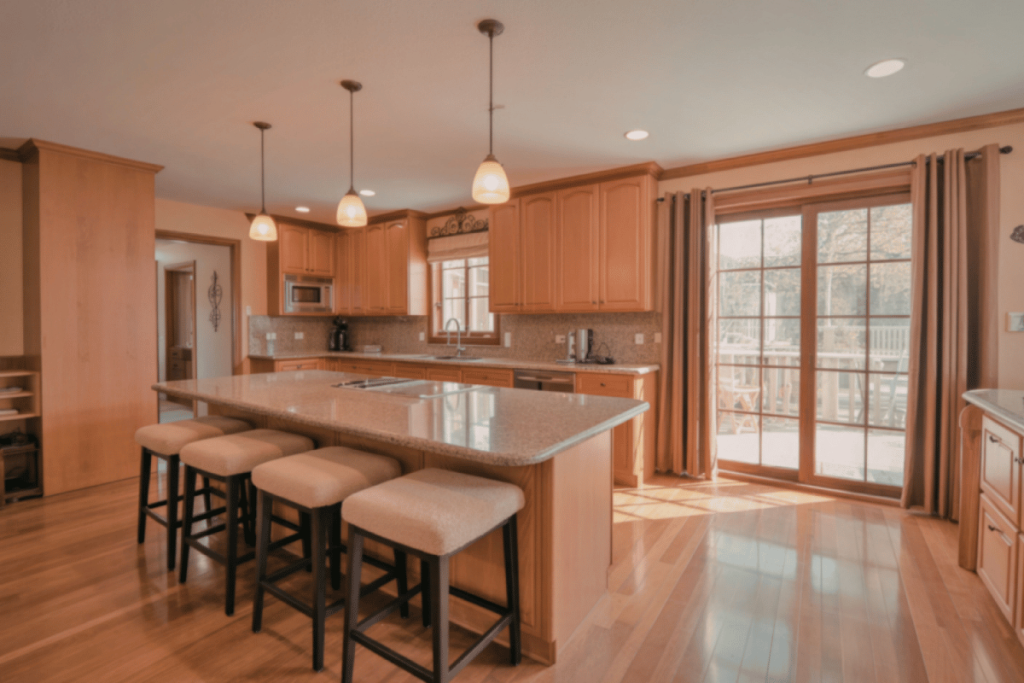
Planning a kitchen renovation in Kitchener, Waterloo, or Cambridge requires more than design inspiration. It involves clear steps, realistic budgeting, and working with the right professionals. Whether you are updating an older layout or building a modern kitchen from scratch, having a structured checklist helps avoid delays and costly mistakes.
Here is a practical guide to help you move through your renovation with confidence.
1. Define Your Renovation Goals
Start by identifying what you want to achieve. Are you improving functionality, increasing storage, or updating the overall look? Some homeowners focus on resale value, while others prioritise comfort and daily use.

Write down your must-haves and nice-to-haves. This helps guide decisions when balancing cost and design choices.
2. Set a Realistic Budget
Kitchen renovations in Southwest Ontario can vary widely in cost depending on size, materials, and labour. Establish a clear budget early and include a contingency of at least 10 to 15 percent for unexpected expenses.
Be transparent about your budget when working with a Contractor for remodelling so they can recommend suitable materials and solutions without overspending.
3. Plan the Layout Carefully
A well-planned layout improves workflow and usability. Consider the classic kitchen work triangle between the sink, stove, and refrigerator.
Ask yourself:
- Do you need more counter space?
- Would an island improve functionality?
- Is there enough room for movement?
Small layout changes can make a big difference in how your kitchen feels and functions.
4. Choose Durable Materials
Canadian homes experience temperature changes throughout the year, so selecting durable materials is important. Cabinets, countertops, and flooring should handle moisture, heat, and daily wear.
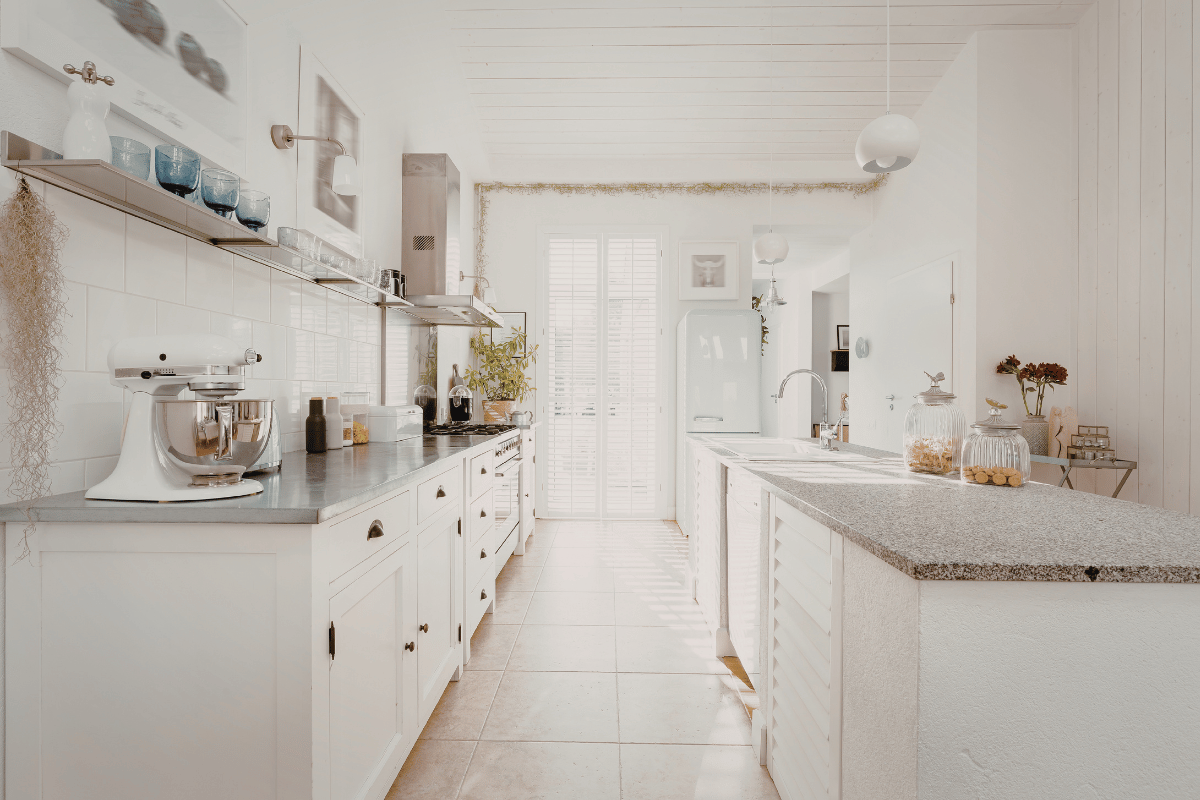
Quartz countertops, solid wood cabinetry, and quality tile flooring are popular choices in Kitchener homes due to their longevity and low maintenance.
5. Check Permits and Local Regulations
Depending on the scope of your renovation, permits may be required for plumbing, electrical, or structural changes. Local building codes in Kitchener and surrounding areas must be followed to avoid future issues.
Working with a Certified contractor in local area ensures that all legal requirements are handled properly and inspections are completed when needed.
6. Plan Lighting and Electrical Work
Lighting plays a key role in both function and appearance. Combine task lighting, ambient lighting, and accent lighting for a balanced setup.
Also consider:
- Additional outlets for appliances
- Under-cabinet lighting
- Energy-efficient fixtures
Upgrading electrical systems during renovation is often more cost-effective than doing it later.
7. Focus on Storage Solutions
Modern kitchens are designed for efficiency. Incorporate smart storage options such as pull-out shelves, deep drawers, and pantry units.
Think about how you use your kitchen daily and design storage accordingly. This reduces clutter and improves organisation.
8. Create a Timeline
Discuss a realistic timeline with your contractor. Kitchen renovations can take several weeks depending on complexity.
Make temporary arrangements for cooking and dining during the renovation period. Planning ahead reduces inconvenience for your household.
9. Select the Right Contractor
Choosing the right team is one of the most important steps. Look for experience, clear communication, and a strong understanding of local renovation standards.
Ask for previous project examples and ensure everything is outlined in a written agreement, including costs, timelines, and scope of work.
10. Final Inspection and Finishing Touches
Before completing the project, walk through the kitchen and check all installations. Ensure cabinets, fixtures, and appliances are properly fitted and functioning.
Small finishing touches such as backsplashes, hardware, and paint bring the entire space together.
A well-planned kitchen renovation not only improves daily living but also increases the value of your home. By following this checklist, homeowners in Kitchener and surrounding areas can approach their renovation with clarity and confidence.