


Planning a home renovation in Kitchener, Waterloo, or Cambridge can be exciting, but it can also become overwhelming if the budget is not planned properly. Many homeowners start with a rough idea of what they want to change, but without a clear financial plan, costs can quickly get out of control.
A well-structured budget helps you stay in control, avoid unnecessary stress, and make informed decisions throughout your renovation journey.
Start with a clear renovation goal
Before you think about numbers, define what you actually want to achieve. Are you upgrading your kitchen for better functionality, improving energy efficiency, or adding more living space?
In areas like Southwest Ontario, where older homes are common, many homeowners focus on improving layout, insulation, and property value at the same time. Once your goal is clear, it becomes easier to estimate costs realistically.
Research average renovation costs in your area
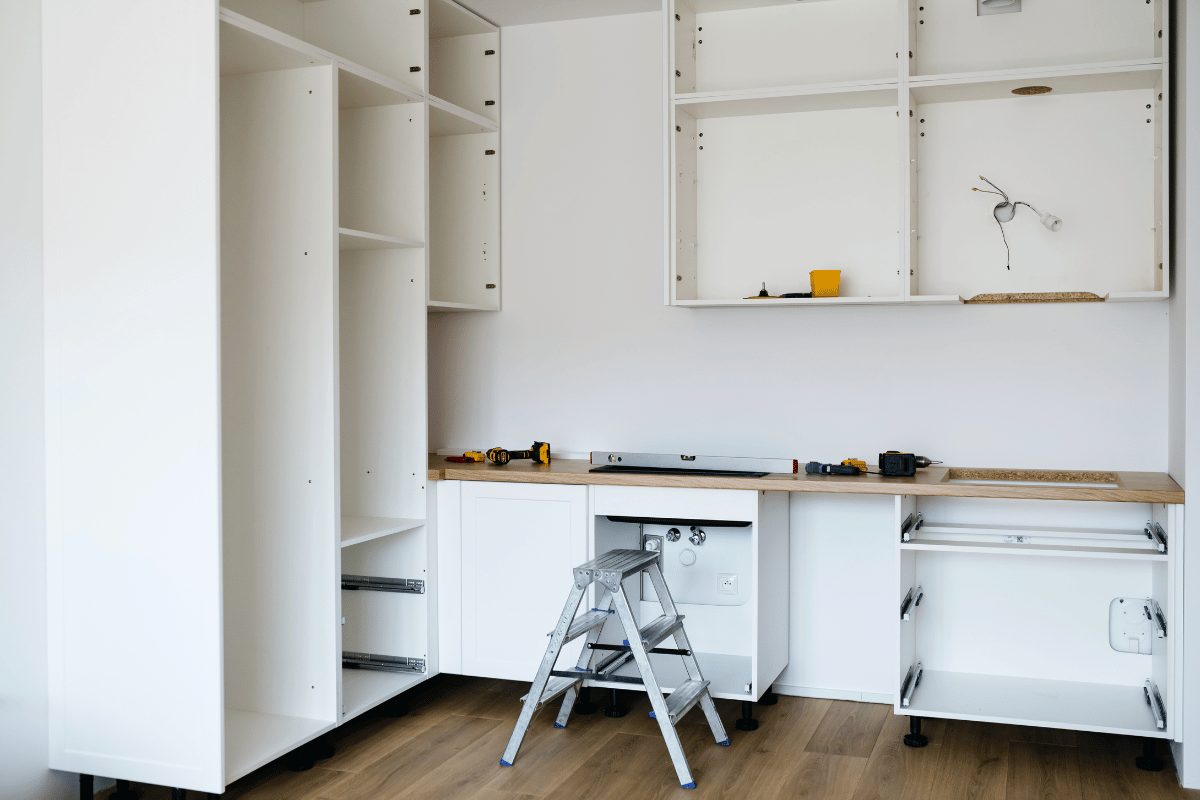
Renovation costs in Kitchener, Waterloo, and Cambridge can vary depending on material quality, labour, and project complexity. For example, cosmetic updates like painting or flooring are more affordable, while structural changes require a higher budget.
If you are planning a Bathroom renovation, expect costs to vary based on fixtures, plumbing upgrades, tile selection, and waterproofing requirements. Always include a buffer for unexpected issues, especially in older homes where hidden repairs are common.
Break your budget into categories
A practical way to manage your renovation budget is to divide it into clear categories:
- Materials and finishes
- Labour costs
- Permits and inspections
- Design and planning fees
- Contingency fund (10 to 20 percent)
This approach helps you see exactly where your money is going and prevents overspending in one area while neglecting another.
Choose the right professionals
Hiring the right team is one of the most important financial decisions you will make. Working with experienced contractors ensures the job is done correctly the first time, saving you from costly repairs later.
If your project involves adding or upgrading lower living space, a Basement contractor can help you understand structural requirements, insulation needs, and proper moisture control before work begins. This type of expertise is essential for long-term durability and safety.

Plan for hidden and unexpected costs
One of the biggest mistakes homeowners make is ignoring hidden costs. These can include outdated wiring, plumbing issues, or material price changes. In older homes across Kitchener and surrounding areas, these surprises are common.

A good rule is to always keep at least 10 to 15 percent of your total budget as a safety buffer. This helps you stay prepared without delaying your project.
Avoid changing plans mid-project
Changing design choices during construction can significantly increase your costs. Once work begins, even small changes can affect labour schedules, material orders, and timelines.
Try to finalise your design and materials before construction starts. This will help you stay within budget and avoid unnecessary renovation delays.
Focus on long-term value, not just cost
A home renovation is not just an expense, it is an investment. Choosing cheaper materials may save money upfront, but higher quality finishes often last longer and add more value to your home.
Think about resale value, durability, and maintenance when making decisions. This is especially important in competitive housing markets like Waterloo Region.
Budgeting for a home renovation in Kitchener requires planning, research, and the right professional support. When you clearly define your goals, understand local costs, and prepare for unexpected expenses, you are far more likely to complete your project successfully.
Whether you are upgrading a single room or planning a full home transformation, careful budgeting ensures your renovation improves both your lifestyle and your property value.