


If you are planning to add a driveway to your property in Kitchener, Waterloo, or Cambridge, you might be wondering whether a permit is required. The short answer is yes, in most cases, a permit is necessary. Municipalities in Ontario have rules to ensure that driveways are safe, accessible, and compliant with local zoning and property regulations. Understanding these requirements before you start your project can save time, money, and potential legal issues.
Why Driveway Permits Matter
Driveway permits are more than just a formality. They help municipalities control traffic flow, protect the environment, and ensure proper drainage. Installing a driveway without a permit can lead to fines, forced removal, or modifications if it does not meet local codes. For homeowners, having an approved permit provides peace of mind knowing that the construction meets safety and regulatory standards.
What Triggers the Need for a Permit?
In general, a permit is required if:
- You are creating a new driveway or extending an existing one.
- Your project involves significant changes to the grading, drainage, or layout of your property.
- The driveway connects to a public road, which could impact traffic safety or visibility.
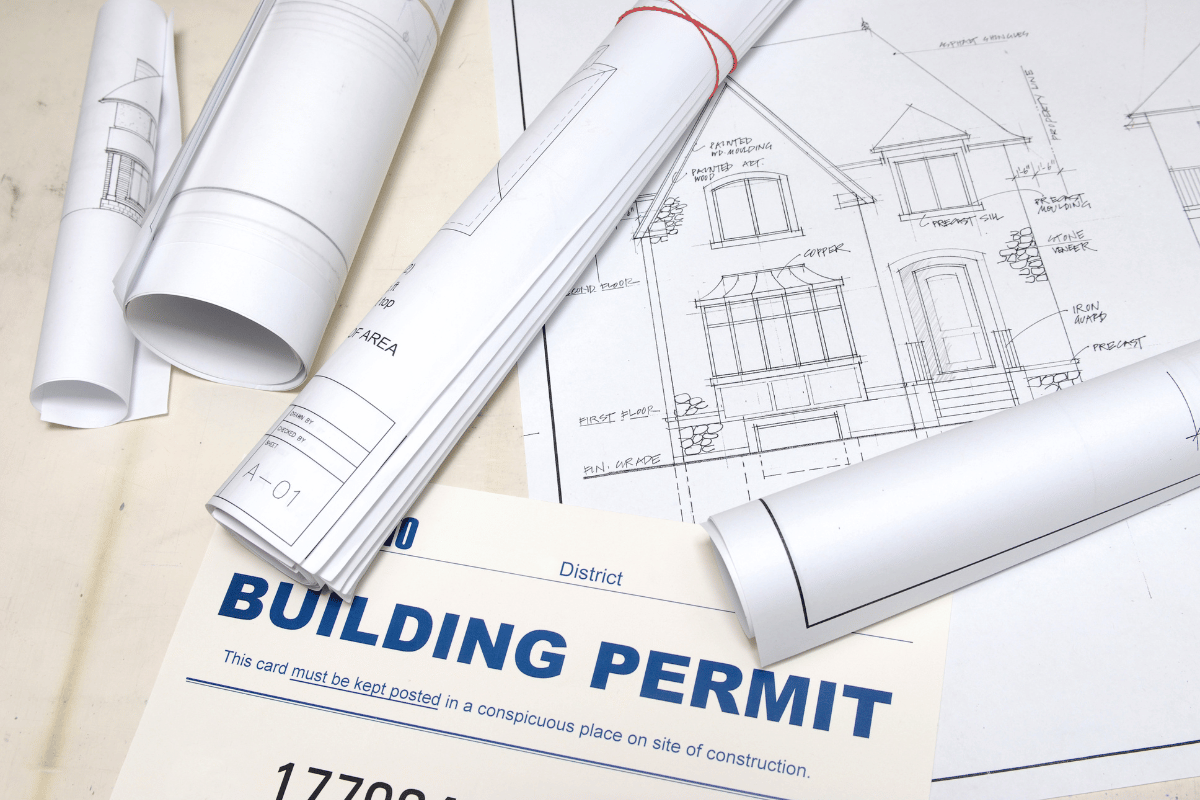
Simple repairs or resurfacing of an existing driveway may not require a permit, but it is always best to check with your local municipal office before starting any work.
Steps to Get a Driveway Permit
- Consult Your Municipality: Contact the City of Kitchener, City of Waterloo, or City of Cambridge building department. Each municipality has its own application process, fees, and regulations.
- Prepare a Site Plan: Include dimensions, location, slope, and drainage details. Some municipalities may also require soil tests or engineering reports.
- Submit the Application: Include all required documents and fees. Applications are reviewed to ensure compliance with zoning bylaws, property setbacks, and environmental considerations.
- Await Approval: Approval may take several days or weeks depending on the complexity of the project. Once approved, you can start construction legally.
Tips for a Successful Driveway Project
- Choose materials wisely: Asphalt, concrete, interlocking pavers, and gravel are all popular options. Each has its own cost, maintenance, and drainage considerations.
- Hire an experienced professional: Working with a licensed renovation contractor or a certified contractor in local area ensures the project meets municipal requirements and is completed efficiently.
- Plan for drainage: Proper grading prevents water from pooling near your home, which can cause foundation issues over time.
- Stay informed: Municipal regulations may change. Regularly check local bylaws before starting a project to avoid unnecessary delays.
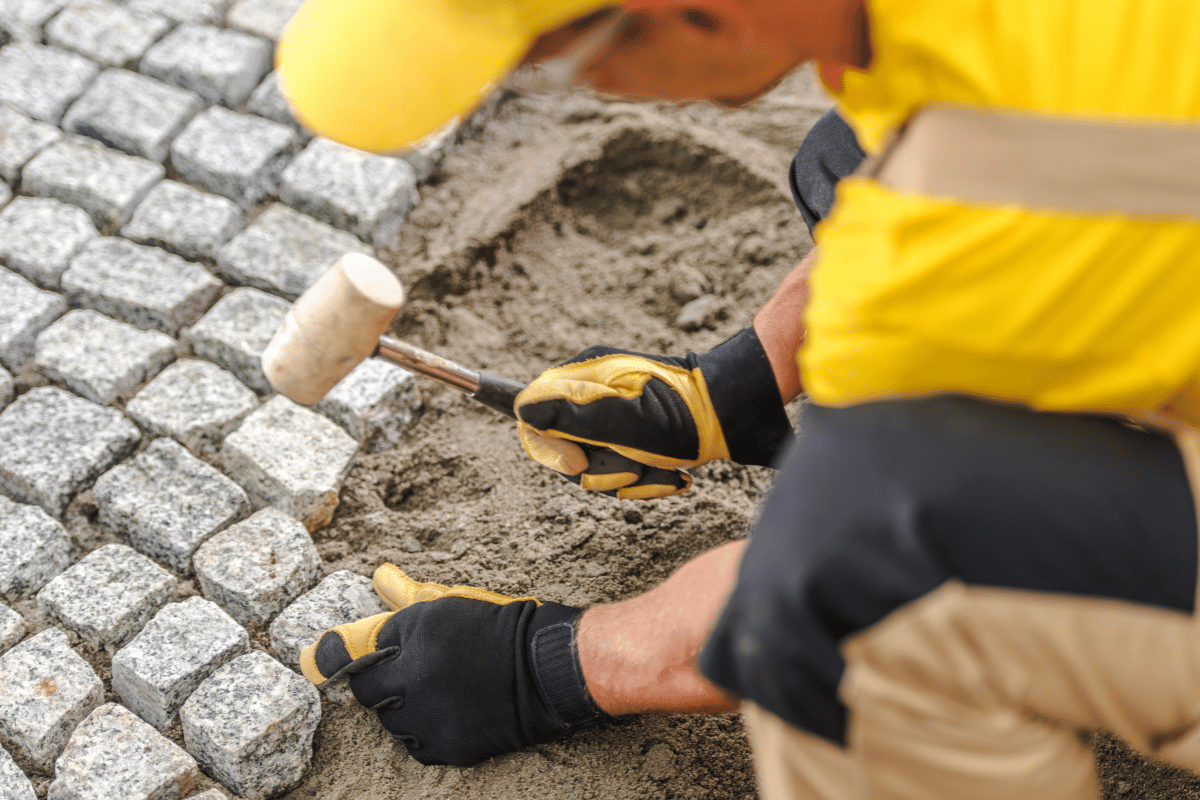
Adding a driveway can enhance the convenience, accessibility, and value of your home. While the process may seem complicated, obtaining a permit is an essential step to ensure your project is safe and legal. Homeowners in Kitchener, Waterloo, and Cambridge should take the time to understand local requirements and work with professionals who have experience in permits and construction. With the right planning, your new driveway will provide functionality and curb appeal for years to come.
If you are considering other home improvement projects, an expert home renovation company can guide you on permits, design, and construction to ensure everything is done correctly. Proper planning and professional assistance make all the difference in achieving long-lasting results.