

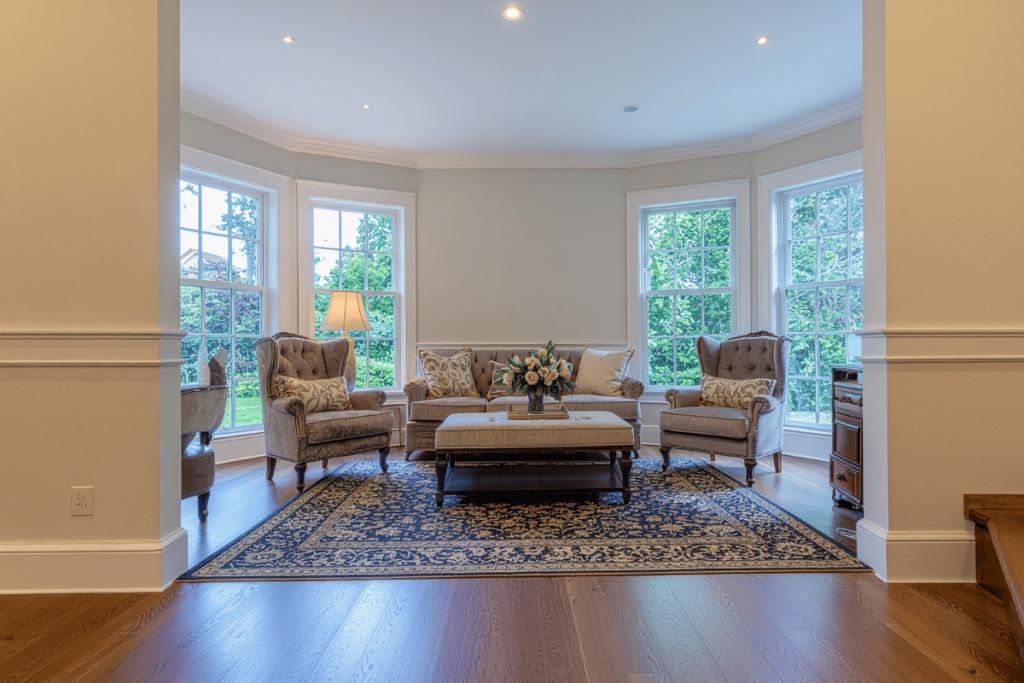
Creating a basement bedroom is a smart way to use extra space, especially for homeowners in Kitchener, Waterloo, and Cambridge. Whether you are planning for family use or a rental unit, meeting Ontario’s building requirements is essential. One of the most important rules involves window size, often referred to as egress requirements.
Understanding these rules early helps avoid costly changes later and ensures your renovation passes inspection without delays.
Understanding Egress Window Requirements
An egress window is designed to provide a safe exit during an emergency. In Ontario, every basement bedroom must include at least one window that meets specific size and accessibility standards.
According to the Ontario Building Code, the window must have:
- A minimum unobstructed opening of 0.35 square metres
- No dimension smaller than 380 millimetres
- An opening mechanism that does not require tools or special effort
It is important to note that the clear opening space matters more than the overall window size. If the window cannot fully open or is blocked by anything, it may not meet code requirements.
Why These Requirements Matter
Many homes in southwest Ontario were built before basement living became common. As a result, existing basement windows are often too small to qualify as safe exits.
This is not just a technical issue. In an emergency, a properly sized window can save lives. It also allows firefighters or rescue personnel to enter the space if needed.
For homeowners planning to rent out their basement, meeting these standards is critical. Non-compliant spaces can lead to legal issues, fines, or problems when selling the property.
Checking Your Current Basement Window
Before starting your renovation, take time to assess your existing window. Use a measuring tape to calculate the openable area, not just the frame size.
Look for:
- Any obstructions such as fixed screens or security bars
- Limited opening due to window design
- Lack of proper clearance outside
If your window does not meet the requirements, modifications will be necessary. This may include enlarging the opening or installing a new window with proper dimensions.

The Role of Window Wells
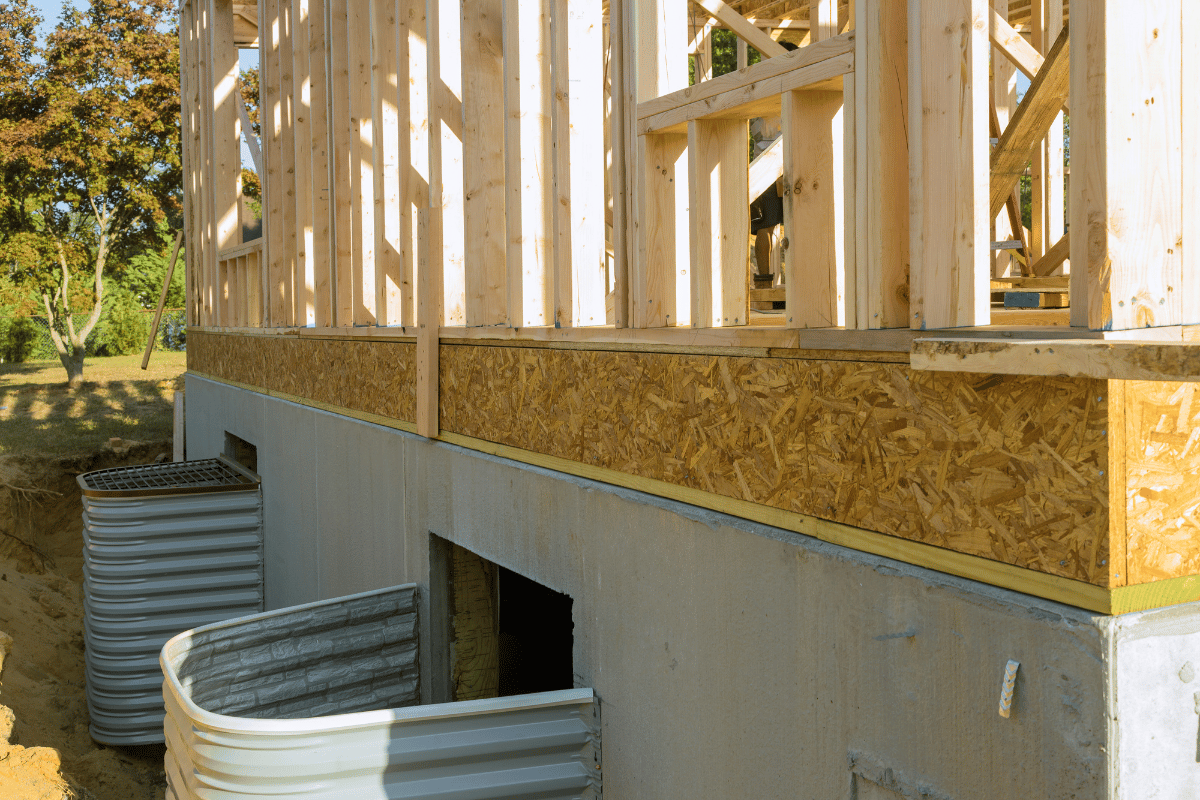
If your basement window is below ground level, a window well is required. This space must be large enough to allow a person to climb out easily.
A proper window well should:
- Provide sufficient clearance in front of the window
- Include drainage to prevent water buildup
- Allow the window to open fully without restriction
Poorly designed window wells can lead to water damage and safety concerns, so they should be installed carefully.
Planning Your Renovation the Right Way
Basement renovations involve more than design and finishes. Structural adjustments, permits and inspections are all part of the process. Working with a legal basement builder ensures that your project follows local regulations and meets safety standards.
Experienced professionals understand how to handle window upgrades, obtain permits, and pass inspections efficiently. They can also help you avoid common mistakes that delay projects or increase costs.
If you are considering a full basement upgrade, hiring a reliable basement contractor can make the process smoother, especially when structural changes like window enlargement are involved.
Common Mistakes Homeowners Make
Some homeowners assume any window that opens is acceptable. Others focus only on appearance without considering functionality.
Another frequent issue is skipping permits to save time. This often leads to complications later, especially during resale or inspection.
Improper drainage around window wells is also a common oversight. Without proper planning, water can collect and damage your basement over time.
Adding a basement bedroom can increase both the comfort and value of your home. However, meeting window size requirements is a key part of making the space safe and compliant.