


Creating a legal basement in Kitchener is one of the most practical ways to increase living space and property value. Whether you are planning a rental unit or extra room for family, the process requires careful planning, permits, and compliance with Ontario building codes. For homeowners in Kitchener, Waterloo, and Cambridge, understanding each step helps avoid delays, unexpected costs, and legal issues.
Understanding What Makes a Basement “Legal”
A legal basement in Ontario must meet specific requirements set by the Ontario Building Code and local bylaws. These include proper ceiling height, safe egress windows, fire separation, electrical standards, and ventilation. Many older homes in the region were not built with these requirements in mind, so upgrades are often necessary before approval.
Step 1: Initial Assessment and Feasibility
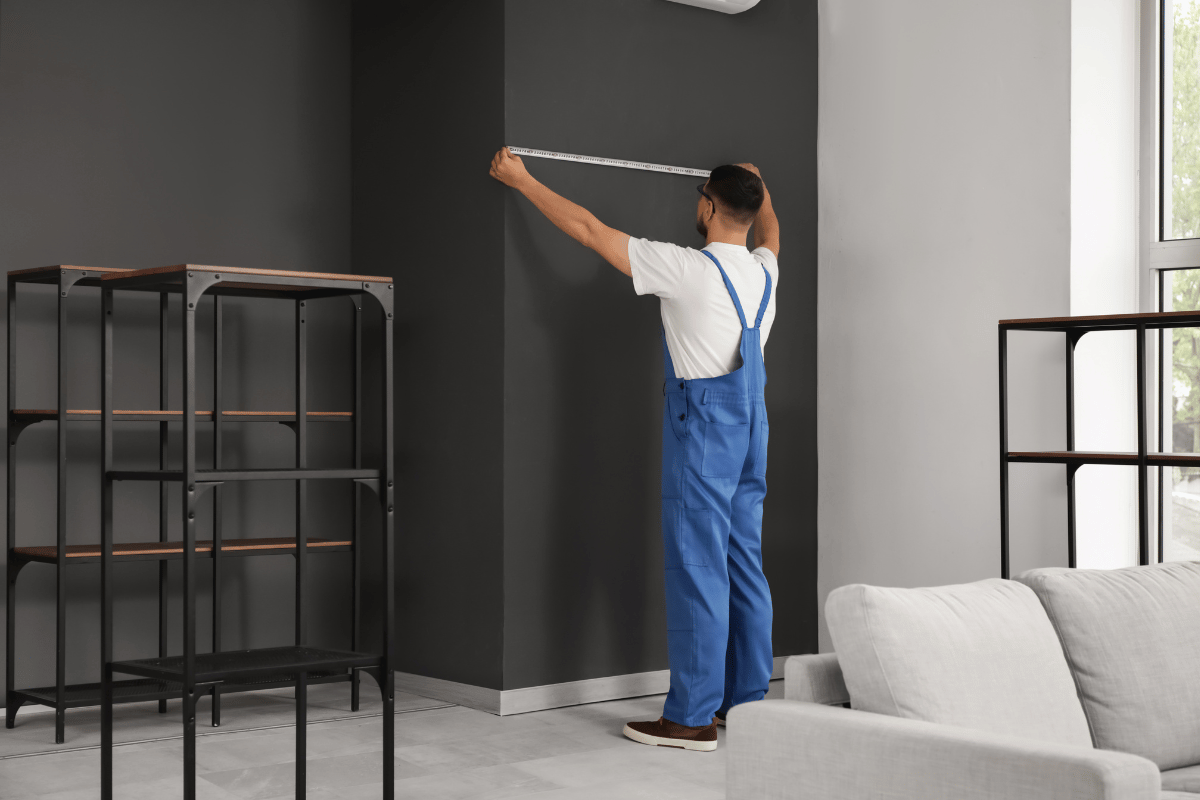
Start with a professional inspection of your basement. This helps determine whether your space can meet legal requirements. Key factors include ceiling height, foundation condition, and layout possibilities. A qualified basement contractor can identify structural limitations early and suggest practical solutions.
Step 2: Planning and Design
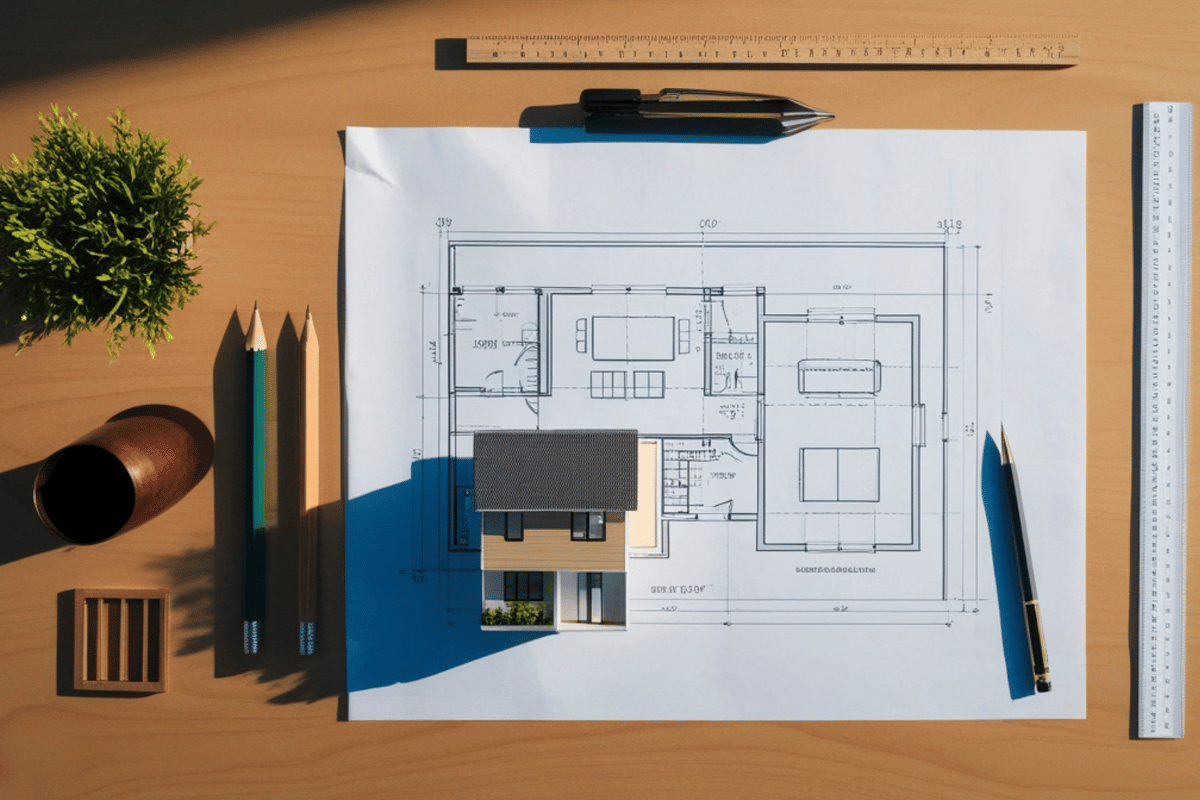
Once feasibility is confirmed, the next step is creating a detailed design. This includes layout planning for bedrooms, bathrooms, kitchen space, and entrances. At this stage, you also need to plan for plumbing, electrical systems, and heating.
Working with an experienced legal basement builder ensures that your design aligns with both your goals and local regulations. Good planning reduces costly revisions later.
Step 3: Permits and Approvals
In Kitchener and surrounding areas, building permits are mandatory for basement conversions. You will need to submit detailed drawings and specifications to the city. The approval process ensures your project meets safety and zoning requirements.
Skipping permits can lead to fines and complications when selling your home. It is always better to follow the proper process from the beginning.
Step 4: Structural and Safety Upgrades
Before finishing work begins, structural upgrades may be required. This can include underpinning to increase ceiling height, reinforcing walls, or adding proper insulation.
Fire safety is also a critical component. This includes installing fire-rated drywall, smoke alarms, and separate exits where required. Egress windows must meet size standards to allow safe exit in emergencies.
Step 5: Mechanical and Utility Work
This stage involves installing or upgrading plumbing, electrical wiring, and HVAC systems. Proper ventilation and heating are essential for comfort and code compliance, especially during Ontario winters.
If you are adding a bathroom or kitchen, ensure all plumbing is installed correctly and inspected before moving forward.
Step 6: Interior Finishing
Once inspections are completed, interior finishing begins. This includes drywall, flooring, painting, cabinetry, and fixtures. Homeowners often use this stage to incorporate modern design features and improve overall functionality.
A well-finished basement not only meets legal standards but also feels like a natural extension of the home.

Step 7: Final Inspection and Certification
After construction is complete, a final inspection is required. Inspectors will verify that all work meets building codes and approved plans. Once approved, your basement is officially recognized as a legal living space.
This certification is important for rental purposes and future property sales.
Practical Tips for Homeowners
Building a legal basement in Kitchener is not just about construction. It is about compliance, safety, and long-term value. Always work with experienced professionals, budget for unexpected costs, and plan for timelines that include permit approvals.
For homeowners in Waterloo and Cambridge, similar regulations apply, so the same step-by-step approach can be followed across the region.