


Creating a legal basement apartment can be a valuable investment for homeowners in Kitchener, Waterloo, and Cambridge. A properly approved basement unit can generate rental income, improve property value, and provide flexible living space for families. However, before a basement can be legally rented, it must pass inspections that ensure the space meets Ontario building and fire safety standards.
Understanding what inspectors look for during legal basement approvals can help homeowners prepare properly and avoid costly delays or failed inspections.
Proper Ceiling Height Requirements
One of the first things inspectors evaluate is ceiling height. Ontario building codes require basement apartments to provide safe and comfortable living conditions for tenants.
Low ceilings can make a basement feel unsafe and may not meet minimum code requirements. In many older homes across Southwest Ontario, ceiling height becomes one of the biggest renovation challenges.
Homeowners may need to:
- Lower basement floors
- Relocate ductwork or plumbing
- Modify ceiling finishes
A qualified builder can help assess whether the basement meets local requirements before renovation work begins.
Safe Emergency Exits
Emergency exits are critical for basement apartment approvals. Inspectors verify that tenants can safely exit the unit during emergencies such as fires.
Important features include:
- Properly sized egress windows
- Clear exit pathways
- Accessible doors
- Safe stairways
Windows must meet specific size requirements and open fully without obstruction. Simply having a small basement window is usually not enough to satisfy inspection standards.
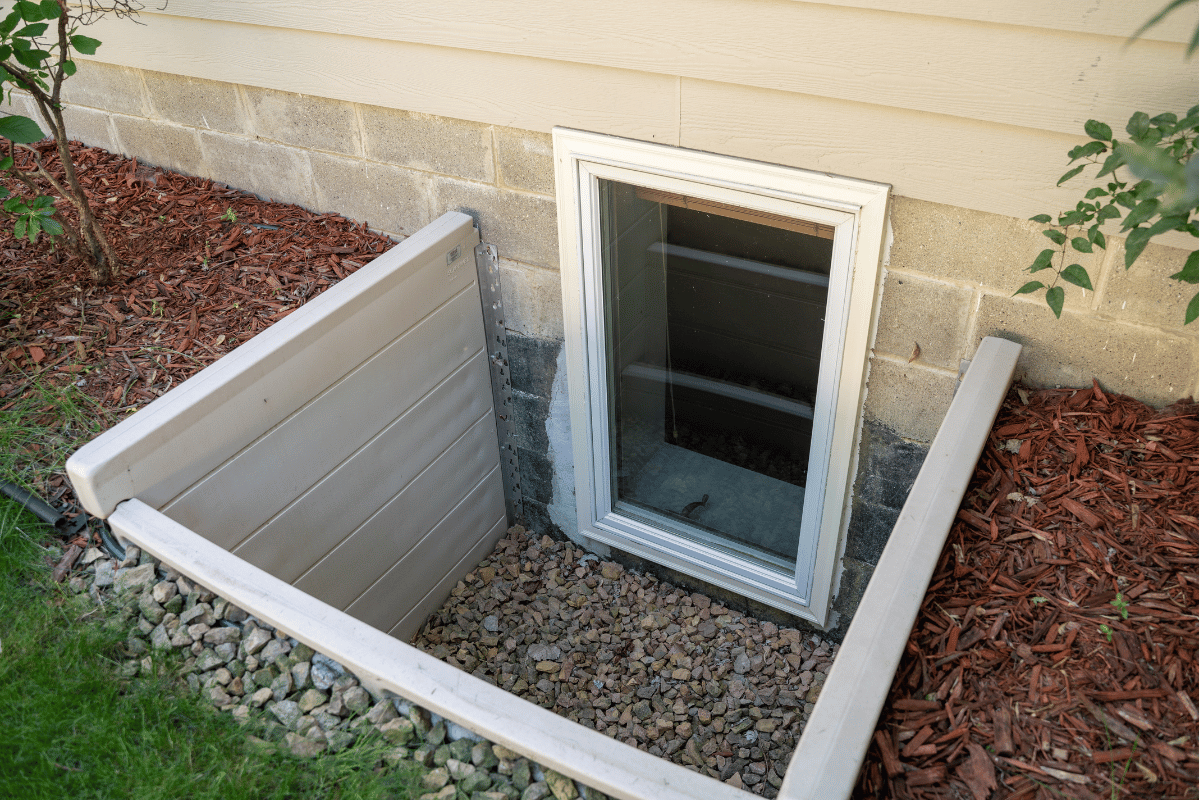
Safe exits are one of the most important legal requirements for basement rentals in Kitchener.
Fire Separation and Smoke Protection
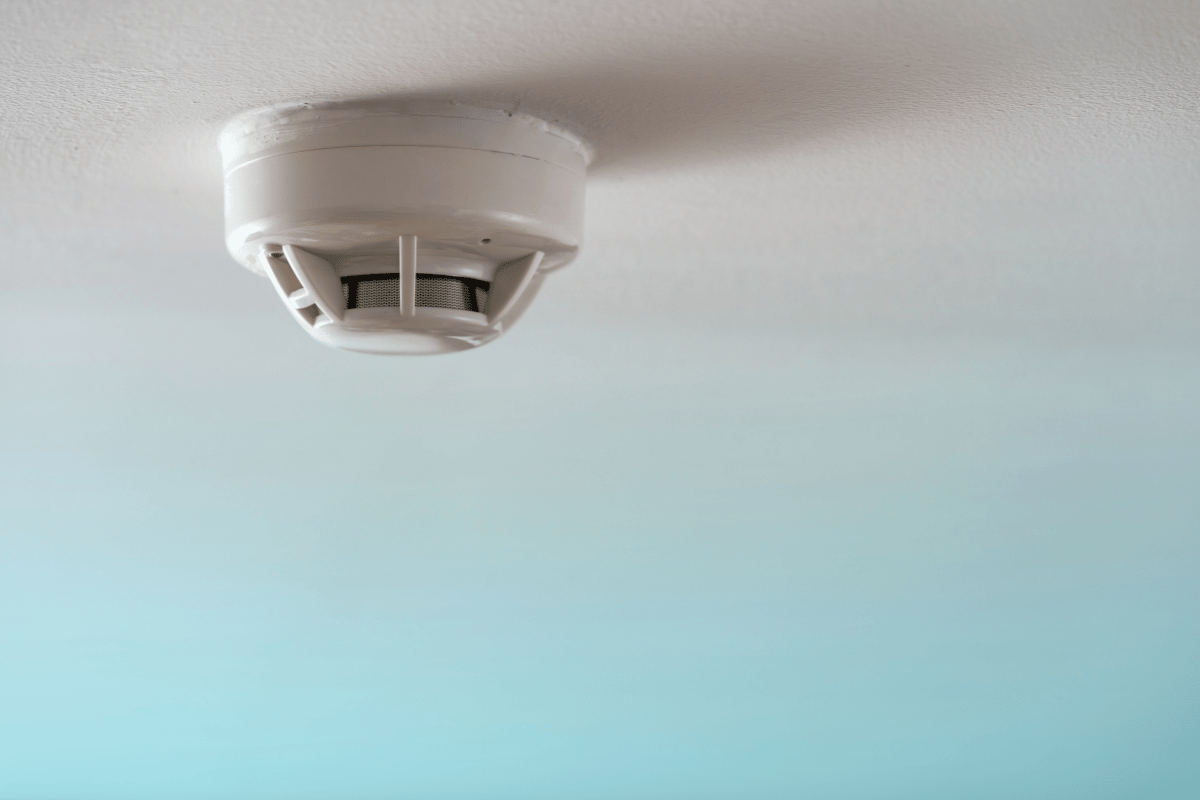
Fire safety is another major inspection priority. Legal basement apartments must include proper fire separation between units to slow the spread of smoke and flames.
Inspectors typically check for:
- Fire rated drywall
- Fire resistant doors
- Smoke alarms
- Carbon monoxide detectors
Smoke and carbon monoxide detectors must often be interconnected so all occupants receive warnings during emergencies.
Fire code compliance helps protect both homeowners and tenants while reducing long term liability risks.
Electrical and Plumbing Safety
Outdated electrical systems and poorly installed plumbing are common reasons basement inspections fail. Older homes in Waterloo Region may require upgrades to support an additional residential unit safely.
Inspectors evaluate:
- Electrical panel capacity
- Proper wiring installation
- GFCI protection near water sources
- Plumbing ventilation and drainage
Improper DIY work can create serious safety concerns and delay approvals. Working with a Certified contractor in local area helps ensure all systems meet Ontario safety standards.
Professional installation also improves long term reliability and reduces future maintenance problems.
Proper Ventilation and Heating
Basement apartments must provide healthy indoor air quality and reliabl e heating throughout the year.
Inspectors look for:
- Adequate ventilation systems
- Proper bathroom exhaust fans
- Sufficient heating coverage
- Safe furnace and utility access
Because Ontario winters can be severe, heating systems must maintain comfortable temperatures consistently. Poor airflow or insufficient heating may prevent the unit from receiving approval.
Ventilation is especially important in basements where moisture problems can develop more easily.
Moisture and Waterproofing Protection
Water damage is one of the most common concerns in basement renovations. Inspectors may check for signs of:
- Foundation leaks
- Mould growth
- Improper drainage
- Moisture damage
A dry and properly waterproofed basement helps maintain healthy living conditions while protecting the long term structure of the home.
Homeowners should address moisture problems before beginning finishing work. Covering existing water damage can create larger problems later and may affect inspection results.

Kitchen and Bathroom Compliance
If the basement includes kitchen or bathroom areas, inspectors verify that plumbing fixtures, ventilation, and spacing meet local code requirements.
A well-designed Bathroom renovation can improve both functionality and inspection readiness by ensuring:
- Proper ventilation
- Safe plumbing connections
- Water resistant materials
- Adequate spacing around fixtures
Functional layouts also improve tenant comfort and overall rental appeal.
Legal basement approvals in Kitchener involve much more than basic cosmetic renovations. Inspectors carefully evaluate safety, ventilation, fire protection, moisture control, and structural compliance before approving a basement apartment for occupancy.
For homeowners in Kitchener, Waterloo, and Cambridge, understanding these requirements early can help avoid delays, unexpected costs, and failed inspections. Careful planning and professional renovation support are essential for creating a safe, legal, and valuable basement rental space.