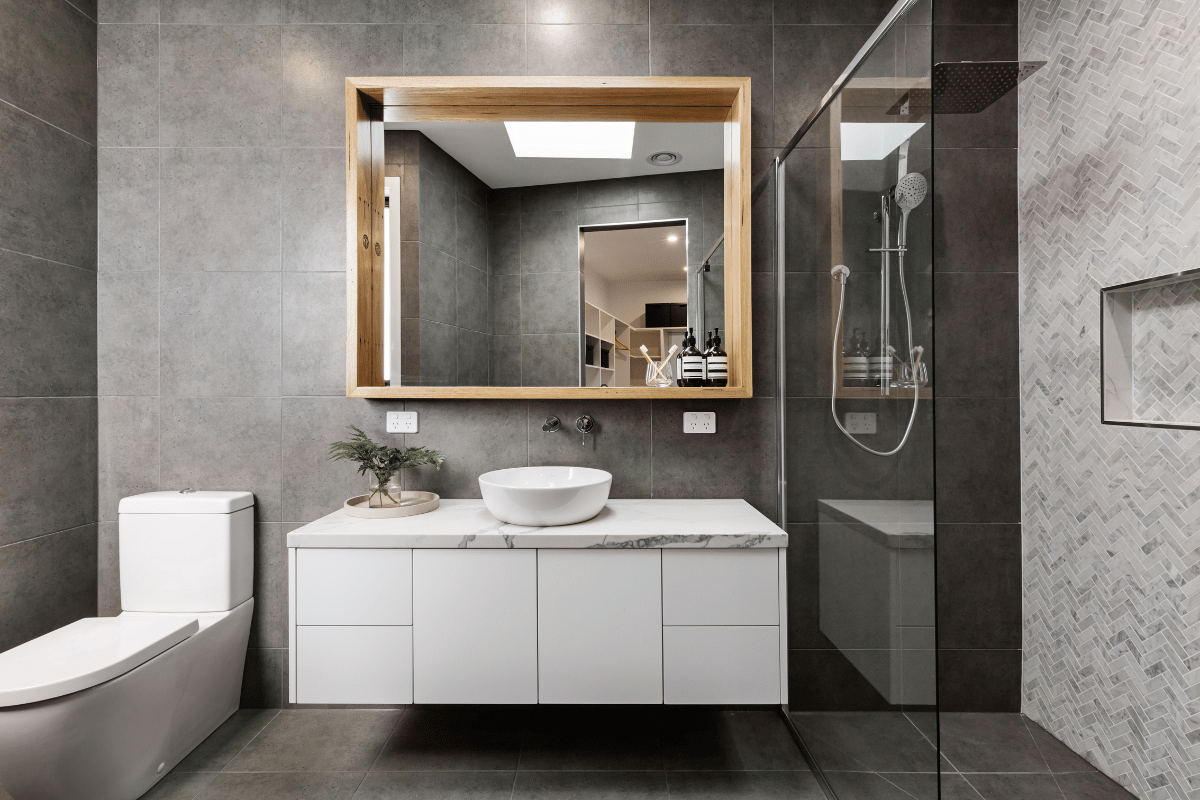

Planning a bathroom remodel is exciting, but one of the first questions most homeowners in Kitchener, Waterloo, and Cambridge ask is simple: how much is it really going to cost?
Pricing a bathroom remodel is not about guessing or relying only on online averages. It requires understanding the existing room, your priorities, material choices, and the local factors that affect renovation costs in Southwestern Ontario.
This guide explains how to build a practical bathroom renovation budget so you can plan with confidence and reduce the risk of costly surprises.
Start With the Purpose of the Remodel
Before thinking about numbers, be clear about why you are renovating. Are you refreshing a dated space, repairing moisture damage, improving accessibility, or preparing the home for resale?
A cosmetic update generally costs less than a complete bathroom renovation involving plumbing relocation, waterproofing, electrical work, ventilation, or layout changes.

Ask yourself:
- Will the existing layout remain the same?
- Are you replacing only fixtures and finishes or rebuilding the complete room?
- Is this a main bathroom, ensuite, powder room, or basement bathroom?
- Are there existing leaks, ventilation problems, or damaged materials?
The answers define the scope of work, which is one of the largest cost drivers. A detailed bathroom renovation planning guide can help you identify these decisions before requesting estimates.
Understand the Main Project Levels
Bathroom-remodel pricing reflects the size of the room, labour requirements, permit needs, material availability, and the condition of the existing home.
Projects generally fall into three broad categories:
- Cosmetic refresh: Painting, hardware, lighting, accessories, and selected fixture replacements
- Mid-level remodel: New vanity, flooring, tile, fixtures, lighting, and limited repairs
- Full renovation: Demolition, waterproofing, plumbing or electrical changes, ventilation, custom work, and complete finishing
These categories are useful for planning, but they are not substitutes for a project-specific quote. The age of the home, existing plumbing, electrical capacity, water damage, and structural conditions can all affect the final price.
Break Down the Major Cost Categories
A realistic budget should be divided into clear categories rather than treated as one total amount.

Labour
Labour often represents a significant portion of the project cost. Bathroom renovations may require demolition, framing, drywall, waterproofing, tile installation, painting, cabinetry, plumbing, and electrical work.
Professional plumbing services are especially important when replacing shutoff valves, relocating fixtures, changing drain lines, or correcting leaks.
Qualified electrical services may also be required for lighting, receptacles, exhaust fans, heated flooring, and other permanent electrical upgrades.
Materials and Fixtures
Tile, flooring, vanities, countertops, showers, tubs, toilets, faucets, lighting, and hardware vary widely in price.
Set a realistic allowance for each item and confirm whether delivery, installation materials, and taxes are included. Higher-quality products can offer better durability, but the most expensive option is not always necessary.
For example, homeowners may choose a standard vanity or consider custom bathroom cabinetry when the room has unusual dimensions or requires specialized storage.
Demolition and Disposal
Removal costs depend on how much of the existing bathroom must be taken apart. Tile, drywall, tubs, vanities, flooring, and damaged materials can add labour and disposal expenses.
The budget should account for protecting nearby rooms, controlling dust, removing debris, and cleaning the work area.
Waterproofing and Ventilation
Waterproofing and ventilation should not be treated as optional upgrades. Shower assemblies, wet areas, flooring transitions, and exhaust systems must be planned carefully to reduce the risk of leaks, mould, and damaged finishes.
These systems may not be the most visible parts of the renovation, but they are among the most important for long-term performance.
Permits and Inspections
Approvals may be required when the project involves structural changes, plumbing relocation, new electrical work, or significant alterations to the room.
Homeowners should confirm whether they need a permit for their bathroom renovation before construction begins.
Professional permit and inspection services can help identify applicable requirements and coordinate necessary review stages.
Contingency
Older homes in Kitchener, Waterloo, and Cambridge may hide water damage, outdated wiring, corroded plumbing, uneven framing, or damaged subfloors behind existing finishes.
Including a contingency of approximately 10 to 15 percent can help cover unexpected work without disrupting the entire project budget.
Decide Where to Spend and Where to Save
Not every part of the bathroom needs to be premium. Focus spending on work that affects safety, durability, and moisture protection.
Priorities often include:
- Waterproofing and drainage
- Plumbing and electrical work
- Ventilation
- Subfloor and wall repairs
- Durable fixtures and installation materials
Savings may be possible through standard-sized fixtures, simpler tile patterns, mid-range hardware, and keeping plumbing in its existing location.
A quality vanity with practical storage can still create a polished result without using the most expensive countertop or hardware. Homeowners replacing only this feature can review the process for replacing a bathroom vanity before deciding whether a full remodel is necessary.
Get Detailed Quotes Instead of Ballpark Numbers
When speaking with contractors, request an itemized written estimate. A detailed quote should explain what is included in the price and make it easier to compare proposals fairly.
The estimate should address:
- Demolition and disposal
- Labour and skilled trades
- Materials and fixture allowances
- Permits and inspections
- Waterproofing and ventilation
- Cleanup and final finishing
- Project exclusions and optional upgrades
Reviewing how to compare renovation quotes and avoid hidden costs can help identify vague allowances, missing work, and unclear payment terms.
Before signing an agreement, homeowners should also understand how to choose a renovation contractor with relevant bathroom experience, insurance, clear communication, and a detailed scope of work.
Consider the Project Timeline
Time can affect cost. Material delays, inspection scheduling, custom-order fixtures, and changes made during construction may increase labour or extend the period the bathroom is unavailable.
Finalizing fixtures and finishes early can help reduce interruptions. Understanding how long a bathroom renovation may take can help homeowners coordinate deliveries, temporary arrangements, and inspection stages.
Think About Long-Term Value
A lower initial price can become more expensive over time if waterproofing, ventilation, plumbing, or installation work is completed poorly.

A well-planned bathroom should balance current costs with durability, maintenance, comfort, and future use.
Homeowners preparing to sell can also review whether remodelling a bathroom may increase home value before investing heavily in premium fixtures or highly personalized finishes.
Pricing a bathroom remodel is about defining the scope, separating the major cost categories, comparing detailed quotes, and preparing for hidden conditions.
With clear priorities, realistic allowances, and experienced professional support, homeowners in Kitchener, Waterloo, and Cambridge can plan a bathroom renovation that fits both the home and the available budget.