

As housing demand continues to grow across Kitchener, Waterloo, and Cambridge, many homeowners are turning their basements into rental spaces to generate additional income. A properly finished basement apartment can provide steady monthly revenue while increasing overall property value. However, making a basement rental ready involves much more than adding furniture and paint.
Ontario homeowners must ensure the space is safe, functional, comfortable, and compliant with local regulations. Careful planning can help avoid costly mistakes and improve the long term success of the rental unit.
Start With a Basement Inspection
Before beginning renovations, homeowners should assess the current condition of the basement. Older homes in Southwest Ontario may have moisture problems, outdated wiring, or insufficient insulation that need attention before tenants move in.
Important areas to inspect include:
- Foundation cracks
- Water leaks or moisture damage
- Ceiling height
- Electrical systems
- Plumbing condition
- Ventilation and airflow
Addressing these issues early prevents larger problems later and ensures the basement can safely support residential living.

Working with an experienced Basement contractor can help identify structural or safety concerns before renovation work begins.
Understand Local Legal Requirements
Basement apartments in Ontario must meet specific building and fire safety standards. These regulations help protect both homeowners and tenants.
Rental-ready basements typically require:
- Proper emergency exits
- Smoke and carbon monoxide detectors
- Fire separation between units
- Adequate ceiling height
- Safe electrical and plumbing systems
Homeowners in Kitchener should also verify zoning and permit requirements before construction begins.
Hiring a qualified Legal basement builder helps ensure the project follows municipal regulations and avoids compliance issues that could delay renting the space.
Improve Moisture Protection and Insulation
Basements are naturally more vulnerable to moisture problems than upper floors. Poor waterproofing can lead to mould growth, odours, and long term structural damage.
Important upgrades may include:
- Installing sump pumps if necessary
- Sealing foundation cracks
- Improving drainage around the property
- Adding moisture resistant flooring
- Upgrading insulation
Ontario winters also make insulation especially important. Proper insulation improves tenant comfort while reducing heating costs throughout colder months.
Create a Functional Layout
A basement rental should feel comfortable and practical rather than dark or cramped. Smart design choices can make smaller spaces feel more open and welcoming.
Consider features such as:
- Open concept living areas
- Bright lighting
- Neutral wall colours
- Space-saving storage solutions
- Functional kitchen and bathroom layouts
Large windows and proper lighting are especially important because basements typically receive less natural light than upper levels.
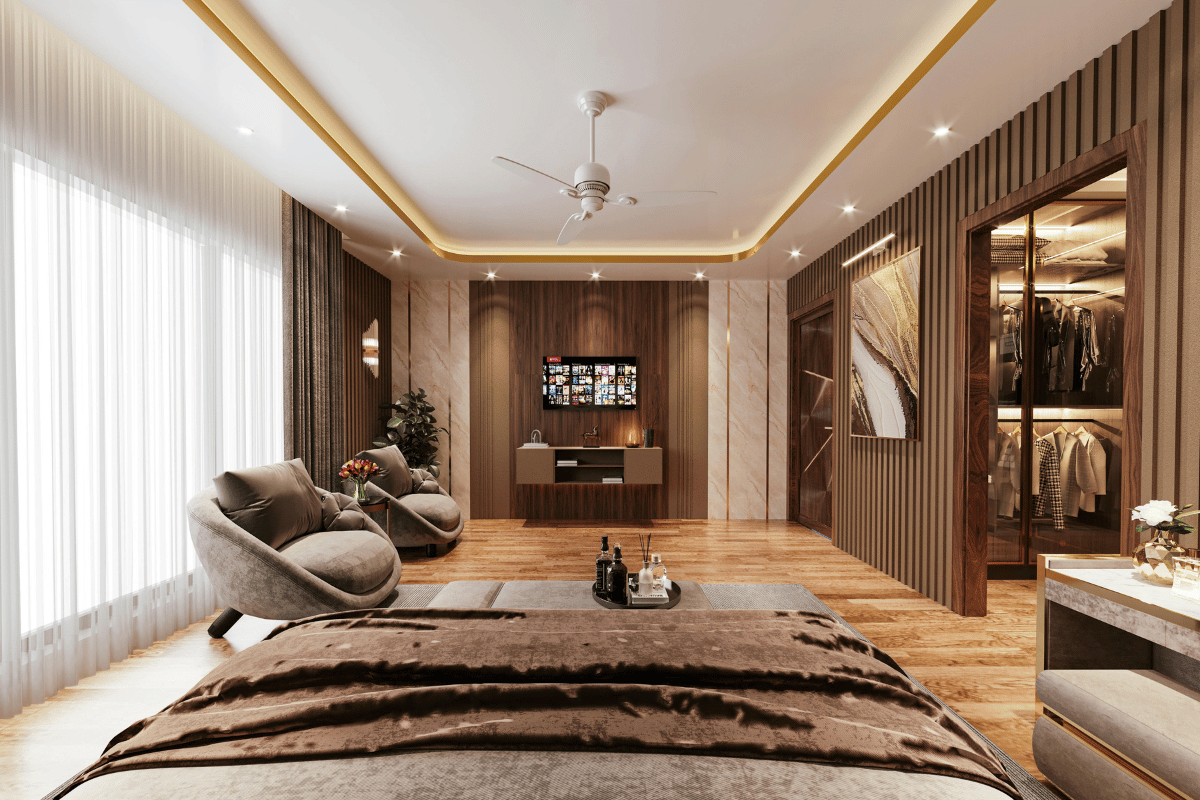
Simple design improvements can significantly improve tenant appeal.
Focus on Kitchen and Bathroom Quality
Kitchens and bathrooms heavily influence tenant satisfaction. These areas should be durable, easy to maintain, and designed for everyday use.
Homeowners should prioritize:
- Quality ventilation
- Water resistant finishes
- Reliable plumbing fixtures
- Adequate storage space
Even a compact Bathroom renovation can improve functionality and make the basement feel more modern and comfortable for tenants.
Practical upgrades often provide better long term value than overly expensive luxury finishes.
Prioritize Safety and Soundproofing
Privacy and comfort matter greatly in basement rentals, especially when homeowners live upstairs.
Soundproofing improvements may include:
- Insulated ceilings
- Acoustic drywall
- Solid core doors
Safety should also remain a priority throughout the renovation process. Proper lighting around entrances, secure handrails, and safe stairways improve both accessibility and tenant confidence.
A well-designed basement apartment should feel like a comfortable living space rather than a converted storage area.
Prepare for Long Term Maintenance
Rental properties require ongoing maintenance, so homeowners should choose durable materials that can handle daily wear.
Low maintenance options include:
- Vinyl plank flooring
- Quartz countertops
- Washable paint finishes
- LED lighting
These choices help reduce future repair costs while keeping the unit attractive to tenants over time.
Planning for long term durability is one of the smartest ways to protect your investment.
Making your basement rental ready in Kitchener involves more than cosmetic upgrades. Homeowners must focus on safety, moisture protection, legal compliance, functionality, and long term durability.
For homeowners in Kitchener, Waterloo, and Cambridge, a properly finished basement apartment can create valuable rental income while increasing property value. Careful planning and professional renovation support help ensure the space remains comfortable, compliant, and appealing for years to come.