


Creating a comfortable and private basement apartment is a priority for many homeowners in Kitchener, Waterloo, and Cambridge. Whether you plan to rent the space or use it for family, soundproofing plays a major role in making the area functional. Without proper sound control, everyday noise like footsteps, voices, and appliances can travel easily between floors, affecting both the basement and the main living space.
Why Soundproofing Matters
In Ontario homes, especially older properties, basements were not originally designed as living spaces. This means sound insulation is often minimal. If you are converting your basement into a rental unit, soundproofing helps improve tenant satisfaction and reduces noise complaints. It also supports better privacy, which is important for both occupants.
While soundproofing is not always a strict legal requirement, it can support compliance when working with a legal basement builder and help meet local expectations for secondary units.
Common Sources of Noise
Before starting, it is important to identify where noise travels from:
- Impact noise from footsteps above
- Airborne noise such as talking, TV, or music
- Mechanical noise from HVAC systems and plumbing
Understanding these sources helps you choose the right solutions instead of applying unnecessary materials.
Practical Soundproofing Methods
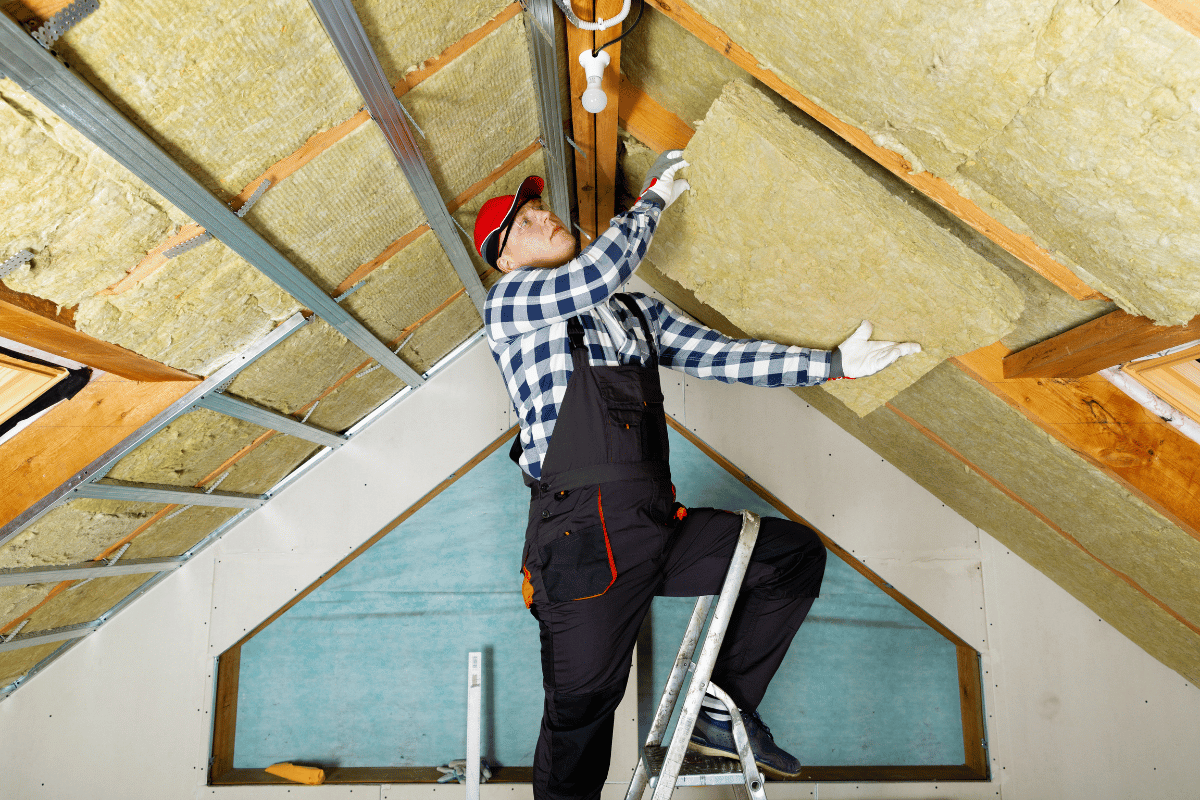
1. Insulating Between Floor Joists
Adding insulation between the basement ceiling joists is one of the most effective and affordable steps. Materials like mineral wool or fibreglass insulation absorb sound and reduce transmission between floors. Mineral wool is often preferred because it is denser and performs better for sound control.
2. Resilient Channel Installation
Resilient channels are metal strips installed between the drywall and ceiling framing. They help decouple the ceiling from the structure above, which reduces vibration and sound transfer. This is a practical upgrade during basement finishing and works well when combined with insulation.
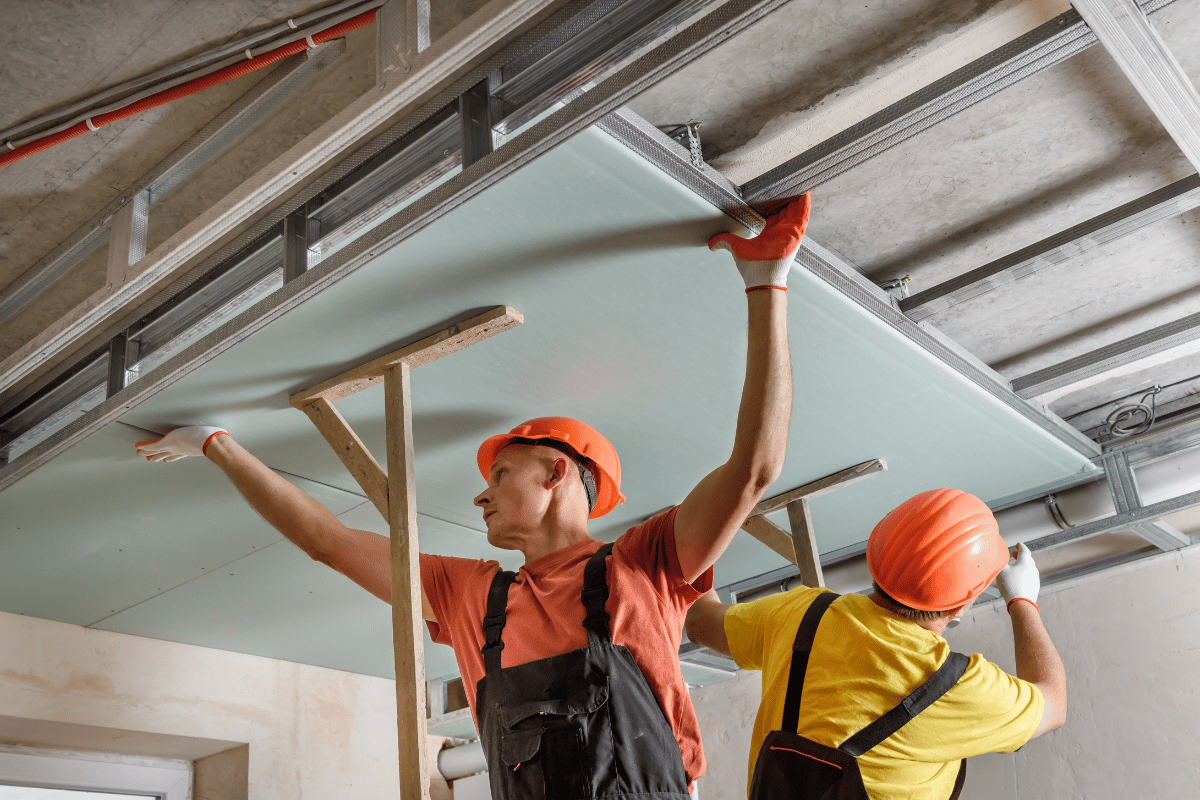
3. Double Drywall with Green Glue
Adding a second layer of drywall with a sound damping compound like green glue can significantly reduce airborne noise. This method is commonly used in basement renovations where higher sound control is required, such as rental units.
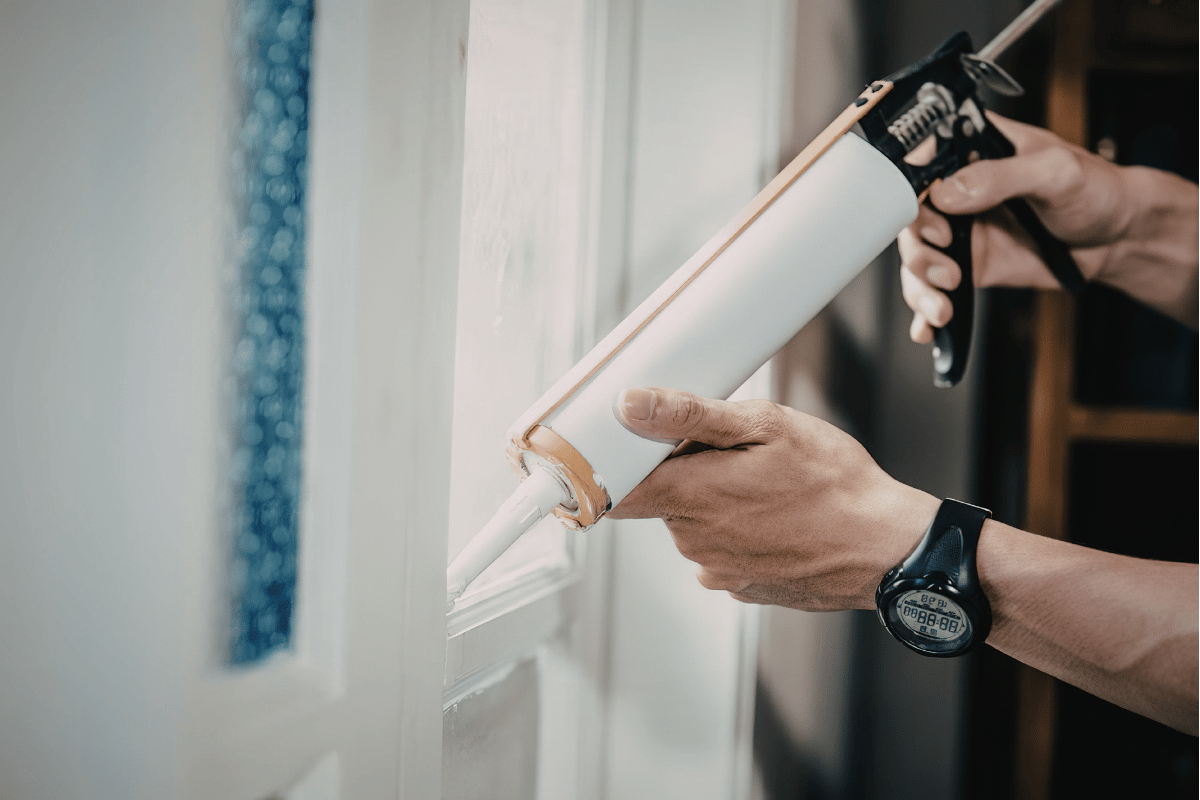
4. Sealing Gaps and Openings
Sound travels through even the smallest gaps. Sealing cracks, electrical outlets, and duct openings with acoustic sealant prevents noise leakage. This is a simple but often overlooked step that improves overall results.
5. Upgrading Doors and Ceilings
Hollow core doors allow sound to pass through easily. Replacing them with solid core doors helps reduce noise between rooms. For ceilings, using acoustic tiles or suspended ceiling systems can also improve sound absorption, though they may not block sound completely.
Plumbing and Mechanical Noise Control
Basement apartments often include kitchens and bathrooms, which means plumbing noise can be an issue. Wrapping pipes with sound insulation and using vibration isolators for HVAC equipment can reduce unwanted sounds. These small upgrades make a noticeable difference in daily comfort.
Cost Considerations
Soundproofing costs vary depending on the level of work required. Basic insulation upgrades are relatively affordable, while advanced systems like double drywall or resilient channels increase the budget. However, investing in proper soundproofing during the renovation stage is more cost effective than trying to fix issues later.
Working with a basement contractor ensures that materials and installation methods are chosen correctly for your home. Poor installation can limit the effectiveness of even the best products.
Planning with Renovation Professionals
If you are already planning a basement renovation, it is smart to include soundproofing from the start. Professionals involved in expert home renovation projects can integrate sound control solutions with framing, electrical, and finishing work. This approach saves time and avoids rework.
In Southwest Ontario, where basement apartments are in high demand, a well soundproofed unit can increase property value and rental appeal. It also creates a more comfortable living environment for everyone in the home.